The paper ensures that the public response is amassed through the paper, with a feature on the probable costs and benefits of a CBDC, that could eventually advance legislation for a longer stint.
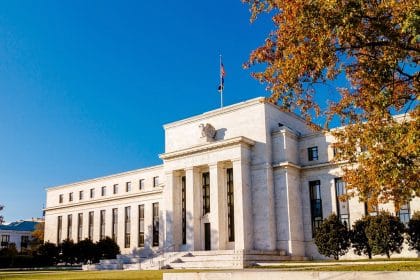
The Federal Reserve (Fed) on 20th January revealed its much-discussed report on digital tokens, including CBDC, debating the advantages and disadvantages of the subject and requesting the audience to give their opinions. Curating a formal digitized rendition of the United States Dollar will allow Americans to carry out transactions quickly with more payment options. However, at the same time, there can be heightened solidity risks and security issues, which are also discussed in the recently disclosed paper.
The paper refrained from giving out a concrete decision on any policy changes as such while stating that no decision will be followed before getting a clear nod from the execution unit and the Congress. The Fed precisely needs an approving law that allows the body to inaugurate a Central Bank Digital Currency (CBDC).
With several governors and other policymakers divided on the problem, the report was deemed extremely essential and crucial to the digital currency industry. With the fact that the immense support for crypto industry could diminish the hold of government authorities on the economy, several countries are willing to examine the possibility of introducing their very own digital currencies (CBDCs).
The paper ensures that the public response is amassed through the paper, with a feature on the probable costs and benefits of a CBDC, that could eventually advance legislation for a longer stint. According to Fed officials, CBDC could furnish users with a secure digital payment alternative for households and businesses as the payments system persists to develop. However, they did not forget to mention the drawbacks of the digital currency.
Some of the issues with CBDC include the maintenance of financial stability while ensuring that the digitized currency is complementary to the current payment system in place. This also includes looking after the privacy concerns. In addition to that, the government authorities should be able to fight illegal malpractices in finance once the currency is put into practice.
The CBDC will be authorized and sponsored by the Central Bank. This would allow a consumer to achieve straightforward access to the central bank of the United States, which is more or less similar to using physical cash.
With the regulatory authorities investigating ways to maintain order in the crypto industry through innovative solutions, at present, around 90 countries are considering this option of launching their own CBDSs.
The Central Bank has opened a 120-day window for comments and suggestions through an online form.
While the paper made every argument heard profoundly, it also partly reflected the opinions of the Fed Chair Jerome Powell, who believes that the project must invite as much support and examination as possible, with a focussed direction from the Congress. On the other hand, Fed Governor Lael Brainard stated that the idea of introducing a digitized dollar at a time when international economies are contesting one another is not endurable.
next