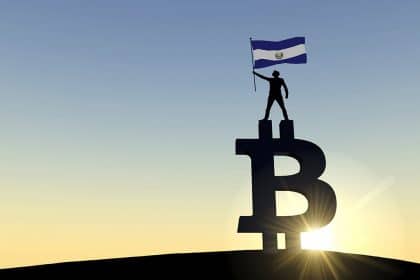
President Bukele, on the other hand, is interested in Bitcoin. And he keeps adding more of the digital asset to El Salvador’s balance sheet.
The International Monetary Fund (IMF) has recommended that El Salvador remove Bitcoin as a legal tender within the country. The IMF directors stated financial risks as a reason for El Salvador to discontinue the acceptance of Bitcoin as a legal tender. The global financial institution issued a report on the 25th of January after a bilateral discussion with El Salvador regarding its economy. Notably, El Salvador has been in talks with the IMF, seeking a loan worth $1.3 billion since early 2021. The country will need o source for alternatives to support its economy. According to IMF prediction, El Salvador’s public debt under current policies will surge to 96%of GDP by 2026. If and when this happens, the country will be put on “an unsustainable path.”
El Salvador made history in September 2021 after the government announced Bitcoin as a legal tender. During the announcement, President Nayib Bukele said that the country had purchased about 400 BTC, worth $21 million at the time. Bukele also noted that El Salvador would continue to add more BTC to its reserve.
IMF Advises El Salvador to Discontinue Bitcoin as Legal Tender
Persuading El Salvador to stop the use of Bitcoin as a legal tender, the report noted the directors’ reaction:
“They stressed that there are large risks associated with the use of Bitcoin on financial stability, financial integrity, and consumer protection, as well as the associated fiscal contingent liabilities. They urged the authorities to narrow the scope of the Bitcoin law by removing Bitcoin’s legal tender status. Some Directors also expressed concern over the risks associated with issuing Bitcoin-backed bonds.”
This is not the first time the IMF will express concern with Bitcoin as a legal tender in El Salvador. In November last year, the global financial institution emphasized the risks associated with Bitcoin on consumer protection and financial integrity and stability. At the time, the institution advised that El Salvador must analyze esports on Bitcoin-related transactions. According to the IMF, this will help the country determine how the crypto asset is affecting its economy.
President Bukele, on the other hand, is interested in Bitcoin. And he keeps adding more of the digital asset to El Salvador’s balance sheet. Amid the recent Bitcoin crash, Bukele purchased an additional $15 million of “really cheap” BTC. At press time, Bitcoin is trading at $37,322, having lost about 50% of its all-time high.
As El Salvador went big on Bitcoin, the president announced a national virtual wallet, Chivo. With Chivo, El Salvador residents can conduct swift cross-border payments free of charge. As about 70% of El Salvadorans do not have access to traditional financial services, Chivo will be convenient and accessible to citizens. The IMF directors acknowledged that the Chivo e-wallet would facilitate digital means of payment and thereby “boost financial inclusion. However, the institutions called for the need for “strict regulation and oversight.”
next