The coronavirus pandemic has significantly fueled the adoption of digital payments and pushed banking services away from the traditional system.
The Ireland banking sector has significantly morphed during the covid crisis, away from the traditional banking system to a fintech-dominated ecosystem. Notably, the big banks are exiting the Ireland banking market while online-based startups are gaining more traction on the ground.
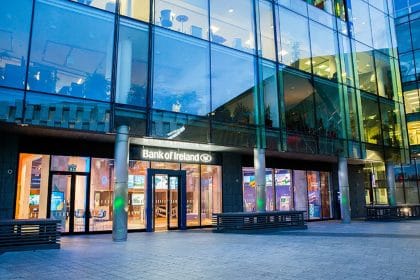
According to news outlet CNBC, a few banks have been left in the Irish market including Bank of Ireland, AIB, and Permanent TSB. Earlier this year, NatWest-owned Ulster Bank announced that it was shutting down its services in the country. Additionally, KBC Ireland entered talks to sell off its loan book and exit the Irish market.
This potentially creates a banking crisis as the level of competition could dramatically reduce. Thereby raising the alarm on whether the customers are going to get reliable services.
Currently, fintech startups are reassessing the market to find out what could be spurring the exits. “While we’re assessing what’s happening and why others are leaving, we still have to look with very clear eyes at our customers and focus on what is the customer need in the market. Obviously, we have to look and see well, why are others leaving? Is it because they have to hold too much capital?” noted Adrienne Gormley, the chief operating officer at Germany’s N26.
Notably, fintech startups like Revolut and N26 have seen tremendous success in the Irish market. Reportedly, Revolut is said to have over 1.3 million customers from the Ireland market while the latter is said to boast of over 200,000 customers.
Ireland Banking Sector amid Coronavirus Pandemic
The coronavirus pandemic has significantly fueled the adoption of digital payments and pushed banking services away from the traditional system. Most of the fintech startups are funded by venture capitalists that have also ventured into the digital assets industry that has significantly thrived in the past few months.
Fintech startups are now reorganizing themselves to provide Irish customers with even better banking services. “Obviously with the news from Ulster Bank and KBC and the very dramatic shift in Irish banking, we have to consider how and what would we offer for the Irish market,” Gormley added.
In a bid to keep up with the emerging fintech startup, some of the left traditional banks have joined to provide a digital platform dubbed Synch application. Notably, the Synch app was developed to enable instant payments between the involved banks. However, market pundits think the banks will have a challenging time winning back the Irish customers and the possibilities of another bank emerging are slim.
“I don’t think there’s any real possibility of another bank just popping up,” Michael Dowling, a professor of finance at Dublin City University, told CNBC.
next