Now, Mexican regulation does not have any specific rules for various types of tokens, such as NFTs, stablecoins, utility tokens, and CBDCs.
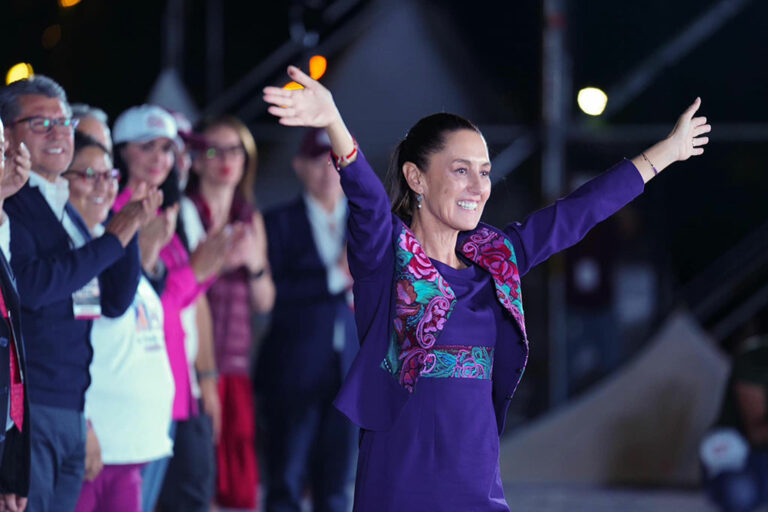
Claudia Sheinbaum, former mayor of Mexico City, has been elected president of Mexico, becoming the first woman to hold this prestigious position. This landmark victory suggests a probable continuation of Mexico’s current crypto policies due to Sheinbaum’s alignment with the ruling Morena party and her predecessor Andres Manuel Lopez Obrador’s policies.
Mexico’s Current Crypto Regulatory Scene
The Morena party has not proposed a comprehensive regulatory framework for the digital asset sector. However, the Sheinbaum party’s government has implemented a 20% tax for the crypto investors on their gains. It clarifies that:
“In no case will virtual assets be understood as legal tender in national territory, foreign currency or any other asset denominated in legal tender or foreign currency.”
Moreover, the FinTech Law, enacted in March 2018, and other regulatory policies require crypto exchange platforms to be registered under global anti-money laundering (AML) and terror financing standards. Notably, the law’s latest reform on June 7, 2023, introduced concepts like “Blockchain” and “Metaverse” into the regulatory framework, recognizing the evidential value of blockchain-stored information and regulating them to increase security.
However, Mexican regulation does not have any specific rules for various types of tokens, such as NFTs, stablecoins, utility tokens, and CBDCs.
Would Sheinbaum Reconsider Her Crypto Stance?
Mexico is the largest recipient of remittances from the United States, making up over 95% of the total remittances received by Mexicans. This presents a significant opportunity for crypto to streamline and secure these financial transfers. But it is uncertain whether the recent crypto-related developments in the US, coincidentally at the time of Mexico’s election campaigns, would push the Morena party to reconsider its somewhat nonchalant stance on crypto policy.
The last few months have seen significant crypto developments overdrive in the US. As former President Donald Trump (the presumptive Republican presidential nominee) accepts donations in cryptocurrencies and calls for the US to maintain its leadership in the field, President Biden’s campaign is in discussions with industry members for policy advice. Moreover, the US Securities and Exchange Commission has approved the long-awaited spot bitcoin exchange-traded funds, and is reportedly on its way to giving the green light to a similar product for ether.
Sheinbaum has expressed confidence in maintaining strong economic ties with the US, regardless of whether Donald Trump or Joe Biden secure the presidency. She has indicated that the economic integration between the US and Mexico is robust enough to sustain positive relations with either administration.
As Sheinbaum prepares to get into office as the new president, the crypto community eagerly awaits to see the stance she will take regarding digital assets. While her predecessor’s policies laid some groundwork, there is still much scope for growth in Mexico’s crypto regulations.
next