In addition to S&P DJI, index provider FTSE Russell noted last week that it will delist major Chinese tech companies from its FTSE Global Equity Index Series.
S&P Dow Jones Indices LLC (S&P DJI) has announced on Thursday that it will delist 21 Chinese firms from its index products following last month’s executive order prohibiting the purchase of certain Chinese securities by US investors.
Notably, the Chinese firms affected by the latest wave include those from mainland-listed A-shares, Hong Kong-listed H-shares and American Depositary Receipts (ADRs). Hangzhou Hikvision Digital Technology Co Ltd and Semiconductor Manufacturing International Corp (SMIC) are among those that the index will remove before December 21.
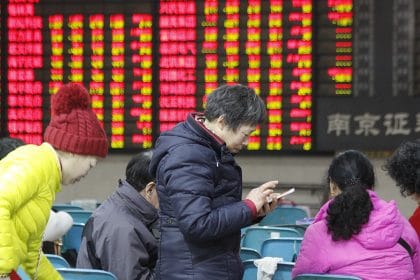
Despite the news that major Chinese tech firms will be delisted for the S&P DJI, their shares responded positively during Thursday’s trading session. “We’re watching these developments closely, but we don’t think these events will trigger major concern or panic in Chinese markets,” said Max Luo, director of asset allocation at UBS Asset Management in Shanghai.
In addition to S&P DJI, index provider FTSE Russell last week noted that it will delist major Chinese tech companies from its FTSE Global Equity Index Series.
The latest Trump‘s executive order directed to Chinese tech firms is focused on 31 companies that the administration believes helps the Chinese military advancement and threatens the United States security.
Closer Look S&P DJI Latest Move to Exclude Chinese Firms
The outgoing United States President has been very strict with Chinese tech firms following the trade talks that had dominated prior to the coronavirus outbreak. Citing security reasons, Trump has not only blacklisted Chinese tech firms in the United States but also influenced its allies in collaborating to. As a result, Chinese tech firms remain under siege in different markets thus giving United States-based tech firms a vantage point in the competition.
However, the Chinese counterparts seem to be playing a wait and see the game as the United States prepares to inaugurate incoming president Joe Biden in January.
Apparently, with the outgoing US president likely to vie for the seat again in 2024, there are possibilities he is putting in place fundamentals that the incoming administration to tamper with and thus use during his later campaigns. Previously, President-elect Joe Biden has publicly noted that his administration will not immediately unwind existing US-China tariffs set by the Trump administration.
“It’s significant and even more importantly it’s not necessarily going to be unwound by the Biden administration,” said Kay Van Petersen, global macro strategist at Saxo Capital Markets in Singapore.
According to Petersen, there is more to look at than what is currently happening between China and the United States. “There are more ripples from it and it raises possible questions: What about Alibaba, which is listed in the US … What if it was the other way around? How would people like those apples? And no-one’s talking about that yet,” said he.
More business news can be found here.
next