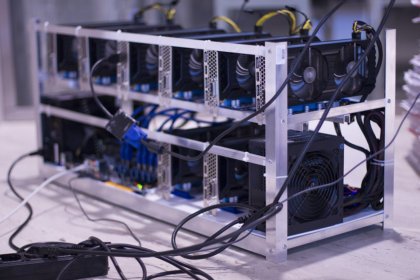
Commissioners from the Franklin County Public Utility District have decided to stop accepting applications from new crypto miners until they study the effects of the growing density of cryptocurrency mining farms on electricity supply in the region.
It is well known that crypto mining is energy-consuming process. It requires huge amounts of electricity, and governments all over the world are regulating this process by imposing various restrictions for miners. For example, the Chinese government practically banned mining activities. Some of the U.S. states have taken measures against crypto miners as well. Recently, New York state created a new electricity rate scheme for cryptocurrency miners, who now pay more than average consumers.
Recently, Franklin Public Utility District commissioners approved a moratorium on new applications from miners, which means that the staff will have time to review the effects of such high-density loads that place a high demand on the electric system. A new rate structure for crypto mining facilities will be considered as well.
According to the local news source, Franklin PUD is also planning to propose a new rate structure for miners as a response to their high demands.
The Franklin PUD is not the first to take such measures against the crypto miners. In spring of this year, Chelan and Mason counties stopped reviewing applications for mining facilities and similar data research projects. Such a decision was taken the impact on the electric grid and consumption had been reviewed. The potential risks of mining were considered as well. The authorities have also cut off the electricity supply to three “rogue” crypto miners who were posing a risk to public health and were creating fire hazard.
Miners are usually attracted by climate and the cheap electricity from renewable, mostly hydropower, resources which help them maximize the return on investment. These factors can be found in Iceland, Canada, Norway and the northwestern US.
As for Canada, its province Quebec, which attracts crypto miners from around the globe, has decided to halt cryptocurrency mining operations temporarily within the city, so that it can continue to supply the electricity to all the households and businesses operating within the province. Moreover, the authorities imposed higher tariffs for the cryptocurrency mining companies who want to set up shop there. The new prices did not affect those already operating in Quebec. In addition, Hydro-Quebec set rules for the miners, demanding that they create jobs and cut their consumption.
Another country with long history of using hydropower for generating electricity is Switzerland, where Swiss Alps Energy (SAE) came up with the idea to integrate thousands of unused premises in the Swiss Alps for the purpose of deploying free mining facilities in the Alps to reduce electricity costs and make the whole process most eco-friendly.
next