One key upgrade that the Cardano protocol has had to embrace is the Chang hard fork. On September 1, the much-anticipated upgrade was activated, marking a massive shift towards decentralized governance for the ecosystem.
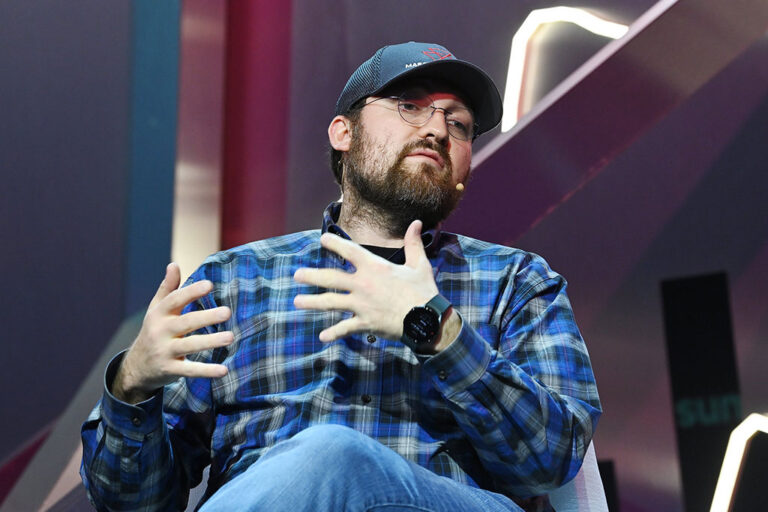
Cardano (ADA) Founder Charles Hoskinson has broken the silence on his hurdles working on the protocol over the years. He said it was filled with a whirlwind of emotions, challenges, and tremendous obstacles. As an individual, he acknowledged that he has also been a victim of the criticism that the Proof-of-Stake (PoS) blockchain is exposed to.
Cardano as a Decentralized Distributed System
Noteworthy, Hoskinson highlighted that working on Cardano has brought him several challenges, including losing friends and companionship. However, he has also seen support from several other entities who do not fail to give their honest comments about the ecosystem.
Hoskinson described the Cardano Layer-1 blockchain as a distributed system in over 100 countries. He claimed that the system has always stayed on while highlighting the protocol’s decentralized nature. He said this has helped unite millions of people who have never met. In addition, the Cardano co-founder noted that the system is constantly undergoing upgrades to improve its capacity.
One of the deepest lessons I've taken to heart over the past decade is that becoming a public figure means you turn into a human rorschach test where those who don't like you will take any post or comment and assume the worst possible interpretation.
Working on Cardano this…
— Charles Hoskinson (@IOHK_Charles) September 2, 2024
He even compared it to the leading blockchain, Bitcoin (BTC), citing that Cardano’s outlook “dwarfs” the former. Hoskinson stated that Cardano is a living, self-replicating, and self-sustaining governance virus.
“It has intelligence and a will to survive and grow. Nothing can shut it down. Nothing can stop its growth. Where all of this could go is what I was thinking about while driving. We created something alive together. Now we all get to live in a world where it exists,” Hoskinson wrote in a September 2 X post.
Chang Hard Fork Upgrade Goes Live
One key upgrade that the Cardano protocol has had to embrace is the Chang hard fork. On September 1, the much-anticipated upgrade was activated, marking a massive shift towards decentralized governance for the ecosystem. With the successful launch of the upgrade, ADA holders can elect governance representatives, bringing the “Voltaire Era” to the platform.
Cardano holders can also actively vote on development proposals, a move that is projected to shape Cardano’s future eventually. The Chang hard fork upgrade launch was scheduled for earlier. Hoskinson announced a brief delay to give cryptocurrency exchanges like Binance more time to update their systems.
According to CIP-1694, an official “Cardano Improvement Proposal”, the new community governance structure establishes three user-led governance bodies: the Constitutional Committee, Delegate Representatives (dReps), and Stake Pool Operators (SPOs).
After successfully activating its latest upgrade, Cardano becomes one of the first blockchain networks to implement a token-based governance system. The implementation will happen in two phases. The Intermin Constitutional Committee introduced the Cardano Chang hard fork for phase one. It limits the power of earlier committees to change the blockchain’s code.
The second phase will be implemented in the next 90 days and will empower the new governance bodies.
next