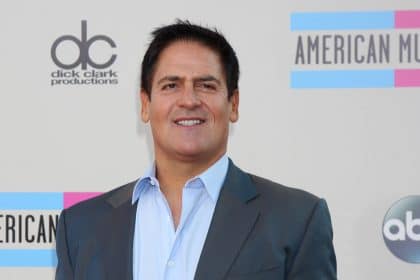
As SEC Chairman Gary Gensler affirmed that the commission is working extensively on creating a new set of rules for the crypto space, Cuban said he believes Stablecoins will be the first to be regulated while smart contracts are poised to be the primary source of fraud in the nascent ecosystem.
Billionaire investor and owner of Dallas Mavericks, Mark Cuban has shared his thoughts on the proposed regulations of stablecoins and the digital currency ecosystem as being pursued by the United States Securities and Exchange Commission (SEC). Taking to his Twitter account, Cuban said he believes that all attempts to regulate the digital currency ecosystem should begin with existing fraud laws as the crypto space is not ‘Monolithic’ in nature.
“Any discussion of crypto regulation has to start with the facts that there are already laws against fraud and that “crypto” is not monolithic. There are many layers to “crypto,” he tweeted.
Building the industry’s regulatory framework on existing regulations according to Cuban will not necessarily be a bad thing.
“Personally I think regulation built around existing fraud laws is not a bad thing. It will require Proof of Authorship and identity but it won’t hurt innovation, nor slow anything down. It will open the door for more people to confidently use “crypto”.
Top crypto advocates have always called out the SEC to provide clear regulations to help power the growth of the new industry. While the lack of regulatory rules has cost some outfits including blockchain payments firm Ripple Labs Inc a very costly legal tussle with the market regulator, industry heavyweights want clearer rules to prevent similar suits in the future.
Mark Cuban on Stablecoins and Smart Contracts
As SEC Chairman Gary Gensler affirmed that the commission is working extensively on creating a new set of rules for the crypto space, Cuban said he believes stablecoins will be the first to be regulated while smart contracts are poised to be the primary source of fraud in the nascent ecosystem.
“Stablecoins will be the first to get regulated. Why? The variance in the definition by product. What is a peg? What is an algorithmic stablecoin? Is it stable? Do buyers understand what the risks are? It needs standards,” he said, adding that “Smart Contracts are the most likely source of fraud. Intentional omissions, undisclosed actions, lack of clarity by users. I don’t think SCs will need to be approved first. I think they will be reported for fraud and will need certified audits to prove lack of fraudulent intent.”
This move according to Cuban who is also known for his support for Dogecoin (DOGE) posited that smart contracts will no longer be permitted to be anonymous. Cuban said someone will need to take responsibility for smart contracts, a move that may make those sets of codes originating outside of the US to be illegal.
4. If you require Proof of Authorship for Smart Contracts and Tokenomics the feds and victims will have a person/entity to sue or indict. Probably at the cost of anonymous innovators, but that’s the price that will be paid.
— Mark Cuban (@mcuban) September 16, 2021
In all, Cuban also believes crypto projects that publish tokenomics would no longer be permitted to do so anonymously henceforth. As tokenomics is a sensitive issue that borders on how tokens are sold and distributed, what liquidity is put in place and what information is disclosed, and how accurate it is, the SEC will be sure to invest time in creating laws to govern this part.
next