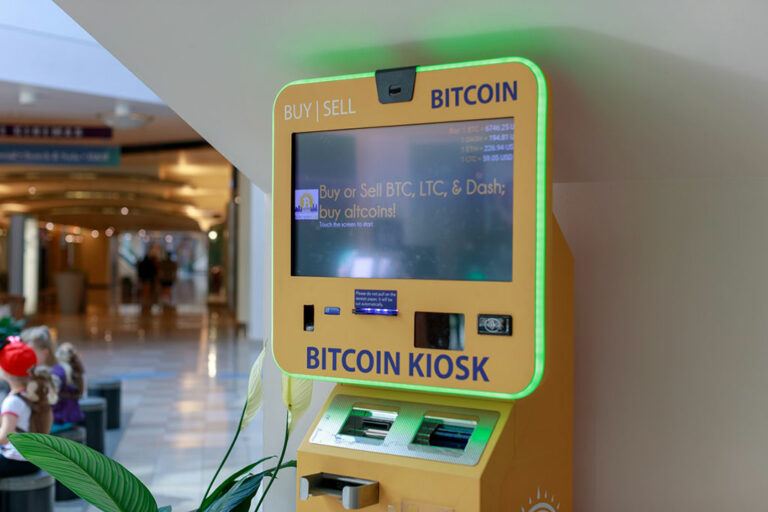
The bill’s most contentious aspect is a one-year moratorium on the installation of new Bitcoin ATM kiosks in Vermont.
Lawmakers in Vermont are taking a stand against cryptocurrency scams with a new bill. The legislation, awaiting Governor Phil Scott’s signature, aims to protect residents from fraudsters who exploit Bitcoin ATMs to steal cash through quick and often irreversible transactions.
The bill includes several key provisions to make these ATMs less attractive to scammers and safer for consumers. A daily transaction limit of $1,000 aims to slow down potential scams by limiting the amount of money a victim can lose in a single transaction. Additionally, a 3% cap on fees charged by kiosk operators helps ensure these services remain accessible while preventing excessive charges.
The bill’s most contentious aspect is a one-year moratorium on the installation of new Bitcoin ATM kiosks in Vermont. This pause allows regulators to study the effectiveness of the existing regulations and potentially implement further protections.
Regulatory Challenges for Bitcoin ATMs
A critical distinction between traditional ATMs and Bitcoin ATMs is the transaction process. While traditional ATMs link users to their bank accounts, Bitcoin ATMs enable the acquisition of cryptocurrency. This absence of a centralized governing authority complicates the tracking and recovery of cryptocurrency transactions in case of fraud.
Sen. Ann Cummings, D-Montpelier, who chairs the Senate Finance Committee and played a key role in crafting the bill, acknowledges the challenges. “This is about protecting Vermonters’ savings,” Cummings said. “The difficulty in tracking both cryptocurrency and cash has made ‘Bitcoin ATMs’ a powerful vector for fraud,” she added.
The Bitcoin ATM industry representatives voiced their concerns during legislative hearings. They argued that the proposed regulations would impede their business operations. Specifically, they highlighted the limitations on fees, asserting that they would struggle to cover their operating expenses, particularly in rural areas.
Lawmakers, however, emphasized the importance of consumer protection. They highlighted the vulnerability of “underbanked and low-income individuals” who rely on cash and may be more susceptible to scams. While some kiosks claim they warn users, the ease of creating new wallets to bypass blacklists raises doubts about these measures’ effectiveness.
Regulating a New Frontier
As Sen. Cummings admitted, regulating cryptocurrency is a complex task due to its novelty. “This is a whole new world,” she said. “We probably won’t get it right the first time.” The year-long moratorium on new kiosks provides a valuable window for regulators to assess the impact of the current measures and potentially implement additional protections in the future.
If signed into law, the bill would require the Department of Financial Regulation to report back to lawmakers by January 2025 on the effectiveness of the legislation. This report will be crucial in shaping future policies and ensuring a balance between innovation and consumer protection in the evolving world of cryptocurrency.
next