The Digital Asset Market Clarity Act is effectively dead for 2026 as an unresolved ethics provision blocks the 60 votes needed for Senate cloture.
The US Senate has set aside the Digital Asset Market Clarity Act (H.R. 3633) ahead of its August recess, deprioritizing the 616-page merged legislative framework, released by Senate Republicans on July 22, 2026, as floor bandwidth narrows and an unresolved ethics provision continues to block bipartisan agreement.
The bill, which cleared the House 294–134 on July 17, 2025, and advanced out of the Senate Banking Committee 15–9 on May 14, 2026, has sat on the Senate Legislative Calendar as Calendar No. 423 since June 1, 2026, without a scheduled vote on cloture.
This is not simply a scheduling delay. It is a structural inflection point: the pre-August window was the last realistic gate for 2026 enactment, and missing it effectively resets comprehensive US digital asset market-structure legislation to the next Congress.

Clarity Act News: How the Ethics Provision Collapsed the Coalition
The July 22 merged text formally consolidated the Senate Banking Committee’s version with the Digital Commodity Intermediaries Act, which the Senate Agriculture Committee reported out on January 29, 2026, and added a dedicated government ethics title developed with the White House. That ethics title became the fault line.
According to reporting on the White House intervention and narrowing Senate window, a closed-door negotiating session among key senators and White House Crypto Council Executive Director Patrick Witt collapsed without agreement after Republicans and the White House withdrew a provision that would have allowed state attorneys general to sue the Department of Justice.
The ethics conflict is rooted specifically in Trump’s crypto holdings, which have driven Democratic opposition to the bill in its current form. The core ethical conflict and Trump’s crypto holdings remain the primary obstacles to securing the seven Democratic Senate votes that analysts estimate Republicans need to clear the 60-vote cloture threshold.
BREAKING: 🇺🇸 SEC says it is prepared to establish crypto regulations if Congress fails to pass the CLARITY Act.
This could be HUGE for the crypto industry. pic.twitter.com/ZNGumlZmmG
— Crypto Rover (@cryptorover) July 28, 2026
DISCOVER: Best Meme Coins to Buy in 2026
Procedural Math: What Passage Actually Requires
The mechanism operates as follows: before any vote on the floor, leadership must file for cloture on Calendar No. 423, which requires 60 affirmative votes to proceed.
The merged Senate text must then be reconciled with the version passed by the House before a final enrolled bill can reach the president’s desk. As of late July 2026, neither step has a scheduled date.
The merged framework maintains the jurisdictional split between the CFTC and the SEC, designating digital commodities under the CFTC and certain ancillary assets under the SEC. At the same time, it tightens the conditions for the maturity test that determines which assets are subject to SEC oversight.
The language surrounding custody remains contested: the Senate Banking text limits custodian eligibility, requiring registration with either the SEC or the CFTC in most cases, and negotiators have not yet finalized a 18- to 24-month transition window for custody and reporting requirements.
Galaxy Research Has Its Say on the CLARITY Act Delay

Policy research teams at Galaxy Research, Beacon Policy Advisors, and Stifel have all indicated that the pre-August window represents the last realistic opportunity for passage in 2026. Once the Senate departs for recess, the dynamics of the midterm campaign are expected to make the current legislative vehicle unviable for the remainder of this Congress.
We believe the White House’s decision to withdraw the attorney general enforcement clause reflects a calculation that maintaining executive branch authority over Department of Justice oversight is more valuable than the cost of losing Democratic co-sponsors. If this is accurate, it makes a pre-recess floor vote unlikely, not just logistically challenging.
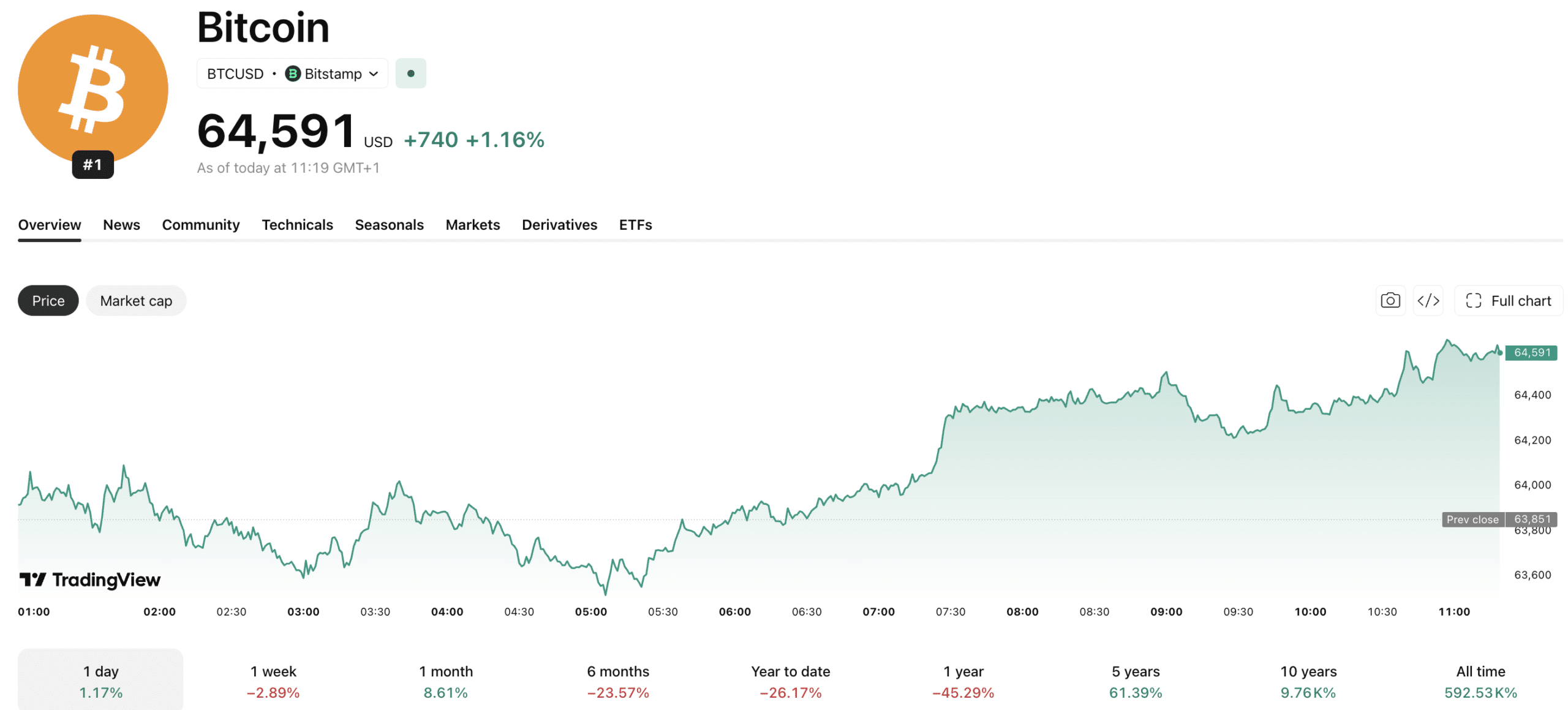
For market participants, this postponement prolongs uncertainty about jurisdiction over exchanges, custodians, and decentralized finance (DeFi) platforms, which had anticipated at least some legislative clarity before the end of the year. Previous progress on the Clarity Act has been directly linked to Bitcoin price movements.
This underscores how closely the bill’s fate is tied to expectations about the near-term market structure. If the window closes without a cloture vote, attention will shift to administrative actions by the SEC and CFTC and the development of a revised legislative vehicle in the 120th Congress.
EXPLORE: Best Meme Coins to Buy for August
next