In the realm of music, the rise of AI-generated content has sparked a dynamic conversation about copyright, innovation, and the future of creative expression.
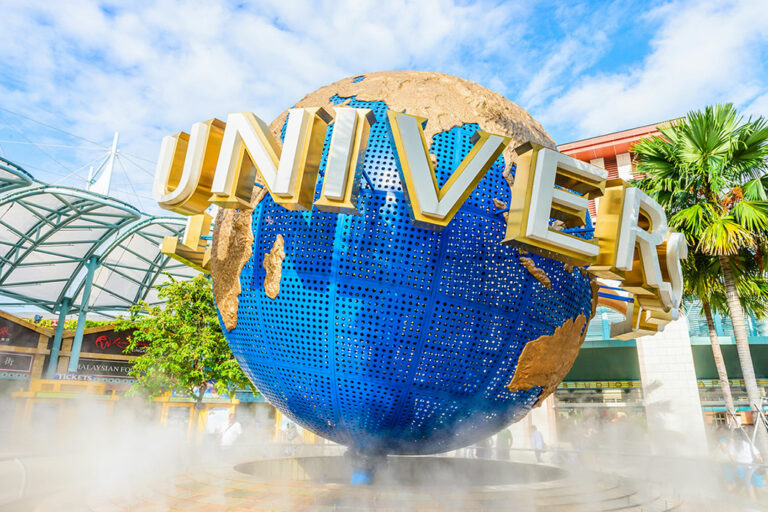
Universal Music Group (UMG), one of the world’s leading music companies, is reportedly negotiating with Google to license melodies and vocal tracks of artists for use in songs generated by Artificial Intelligence (AI).
In recent months, the music industry has been grappling with a new and perplexing challenge: the proliferation of AI-generated “deep fakes,” which replicate the likenesses and sounds of musicians with an astonishing degree of accuracy. This troubling trend gained significant attention when AI-generated clips featuring unreal imitations of artists like Drake and Kanye West went viral around April, sparking concerns about the potential misuse of AI in music production.
Deep fakes, formerly connected with manipulated videos, have now expanded into audio. These AI-generated audio deep fakes can mimic a person’s voice, tone, and even singing style with remarkable accuracy.
While this technology holds potential for various creative applications, including generating backing tracks or composing music, it also poses a significant threat to the music industry’s integrity, copyright, and artistic authenticity.
The reported talks between UMG and Google come as a timely reaction to these concerns. As pioneers in their respective industries, both companies are uniquely positioned to pool their expertise and resources to tackle the challenges posed by AI-generated deep fakes.
While the conversation is still in its early stage, the common goal is to develop a tool that allows the lawful creation of AI-generated music while maintaining correct attribution of copyrights and the protection of artists’ creative contributions.
Navigating the Transformative Impact of AI on Music
In the realm of music, the rise of AI-generated content has sparked a dynamic conversation about copyright, innovation, and the future of creative expression.
In April, UMG requested streaming services remove AI-generated content from their platforms owing to copyright violations. A few weeks later, Spotify Technology SA (NYSE: SPOT) said that it was beefing up platform monitoring and actively removing infringing content.
However, amidst these concerns, a spectrum of responses from artists and industry players reveals a varied approach to harnessing the creative power of AI. Canadian musician Grimes Grimes has embraced AI-generated music and voices her willingness to be a “guinea pig” for this new creative realm.
Additionally, she offered to split royalties 50/50 with AI creators, underscoring a willingness to explore novel revenue-sharing models in an era where traditional music production methods intersect with cutting-edge technology.
Meanwhile, technology giants Google and Meta Platforms Inc (NASDAQ: META) have entered the AI-generated music arena with their respective tools, Music LM and AudioCraft. This indicates the level of interest and investment that big firms in the technology industry have in AI’s creative potential.
Overall, the interaction between AI, artists, and industry leaders reflects an ongoing negotiation between tradition and innovation. As the music industry grapples with copyright issues, artistic exploration, and technological advancement, the outcome will most certainly be formed by a multidimensional debate involving artists, tech pioneers, legal experts, and users alike.
next