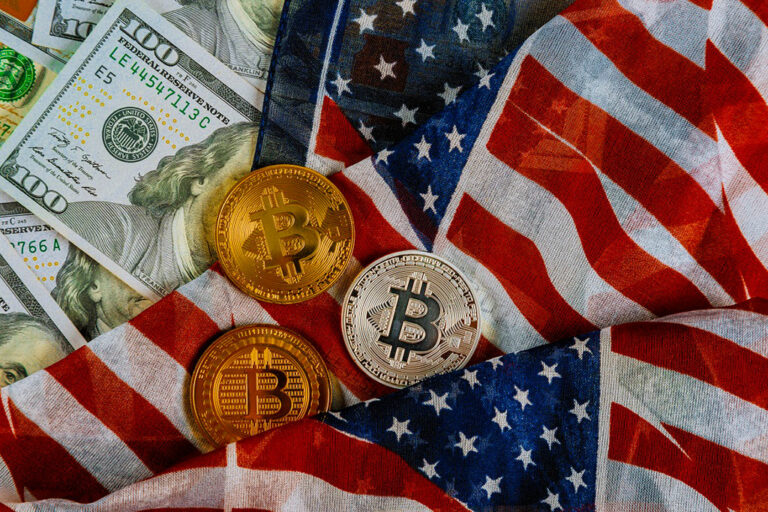
Trump called on the members of the crypto community in the US to vote for him, promising to introduce bills to properly regulate the emerging economy.
In the first 2024 United States presidential debate held on June 27, crypto was notably absent from the discussion. President Joe Biden and Republican candidate Donald Trump focused on traditional policy issues, leaving the rapidly growing digital asset sector unaddressed.
The debate, which took place at 9:00 PM ET in Atlanta, Georgia, covered a range of topics including the economy, abortion, immigration, and foreign policy.
Despite the increasing relevance of the crypto industry in the global financial landscape, neither candidate mentioned it, focusing instead on their plans for the American people.
A Disappointing Surprise
This omission comes as a surprise to many in the Web3 industry who have been lobbying for greater political recognition and regulation of digital assets.
Before the 90-minute debate, during which both presidential hopefuls jested about their mental capabilities as they are the oldest candidates in US history to run for the presidency, crypto advocates had argued that cryptocurrencies and blockchain technology are essential to the future of finance and innovation.
Crypto-backed political committees collectively raised about $202.8 million from industry backers to influence the 2024 elections and ensure that the candidates have plans for the industry.
Fairshake PAC alone received a total of $177.8 million from Ripple, Coinbase and the Winklevoss brothers while Protect Progress and Defend American Jobs collectively raised $25 million for the same purpose.
They believed that crypto deserved attention at the highest levels of government, especially as the industry was one of the many talking points throughout this election cycle for both candidates and lawmakers.
Candidates’ Stances on Crypto
During one of the presidential rallies, Trump called on the members of the crypto community in the US to vote for him, promising to introduce bills to properly regulate the emerging economy.
Trump also promised supporters he would reduce the prison sentence of Ross Ulbricht, the founder of the Silk Road online marketplace, if re-elected as president. Additionally, he told supporters he would end Biden’s “war on crypto”.
To show his support for the industry, his campaign even started accepting crypto donations, allowing users to send Bitcoin (BTC), Ethereum (ETH), and other digital assets to support the race.
Unlike Trump, who has publicly endorsed and supported crypto, Biden has been more reserved towards the digital asset industry. He has stayed away from making any public statements about crypto.
His administration has been hard on the industry since he assumed office in January 2021, with plans to introduce stringent regulations to police the industry, including stopping banks from engaging with digital assets.
Recently, President Biden released his budget proposal for fiscal 2025, which covers nearly every aspect of the American economy, including crypto. The budget included proposed laws to impose taxes on crypto mining and introduce new regulations to better manage the sector.
Despite this, the White House recently announced that it would work with Congress to introduce crypto laws in the US which analysts see as progress.
next