SEC Chairman Paul Atkins commits agency technical assistance to the 616-page CLARITY Act as Senate faces an August recess deadline and Democratic holdouts.
Securities and Exchange Commission Chairman Paul Atkins posted on X on Tuesday, July 28, stating that he is “committed to supporting Congress in advancing the CLARITY Act, including providing technical assistance” – positioning the SEC’s regulatory apparatus directly behind a 616-page crypto market structure bill that must clear the Senate within days of a looming August recess.
This is not simply an endorsement. It is the sitting SEC chair signaling that his agency will actively shape legislative language on a bill that redraws the jurisdictional boundary between the SEC and the Commodity Futures Trading Commission (CFTC) – a line that has remained contested since crypto markets became systemically relevant.
CLARITY Act: A Senate Bottleneck Years in the Making
The CLARITY Act passed the House last year with a 294–134 bipartisan vote, per pre-research context, establishing cross-party viability but leaving the Senate as the decisive hurdle.
The Senate Banking Committee released an updated, merged bill text on July 22, 2026, a document running to 616 pages that attempts to codify which digital assets fall under SEC jurisdiction as securities and which migrate to CFTC oversight as digital commodities.
JUST IN: A bipartisan CLARITY Act ethics counteroffer could be sent to the White House within days.
Democrat Ruben Gallego and Republican Thom Tillis are now finalizing an ethics compromise that could resolve a key Democratic concern, per POLITICO.
A deal could unlock the 60… pic.twitter.com/VKHj1emE5T
— Coin Bureau (@coinbureau) July 29, 2026
On July 28, the Senate set the bill aside to process 74 pending federal nominations and advance the Lindsey O. Graham Sanctioning Russia Act of 2026, according to pre-research context, compressing the available window to days before Congress departs for recess.
Senate Majority Leader John Thune has expressed doubt about whether passage before recess is achievable, though he has signaled willingness to force a procedural vote regardless of whether 60 votes are in hand to overcome a filibuster, per pre-research context.
EXPLORE: Best Meme Coins to Buy for August
Technical Assistance: What the SEC’s Role Actually Entails
In legislative practice, SEC technical assistance means drafting and refining bill language, flagging conflicts with existing securities statutes, advising Senate staff on implementation feasibility, and clarifying the jurisdictional split between the SEC and CFTC.
Atkins also attached a video clip from a Monday CNBC interview to the post, in which he elaborated on the need for a formal regulatory framework for crypto markets, according to the Bitcoin Magazine report by Mathew Di Salvo.
I am committed to supporting Congress in advancing the CLARITY Act, including providing technical assistance.
American leadership in the digital finance revolution means matching the energy of American innovators with a regulatory framework worthy of them. pic.twitter.com/7JiHDUbLqS
— Paul Atkins (@SECPaulSAtkins) July 28, 2026
The SEC and CFTC have been running a joint initiative called Project Crypto, developing a token taxonomy and potential exemptions to pre-align both agencies’ internal frameworks with the forthcoming statute, per pre-research context. Atkins characterized the internal work already completed under Commissioner Hester Peirce’s Crypto Task Force as a stopgap, not a substitute for statutory authority of the kind CLARITY would confer.
Atkins also added: “American leadership in the digital finance revolution means matching the energy of American innovators with a regulatory framework worthy of them,” per the Bitcoin Magazine primary source.
Democratic Holdouts and the Stablecoin Yield Impasse
The coalition supporting the bill now includes Fidelity, Goldman Sachs, and decentralized finance protocol Aave – whose founder, Stani Kulechov, noted the act could expand banks’ digital asset activities, including custody, staking, and lending – alongside the SEC chair himself.Wall Street’s alignment behind the CLARITY Act reflects broad institutional appetite for the regulatory certainty the bill would provide.
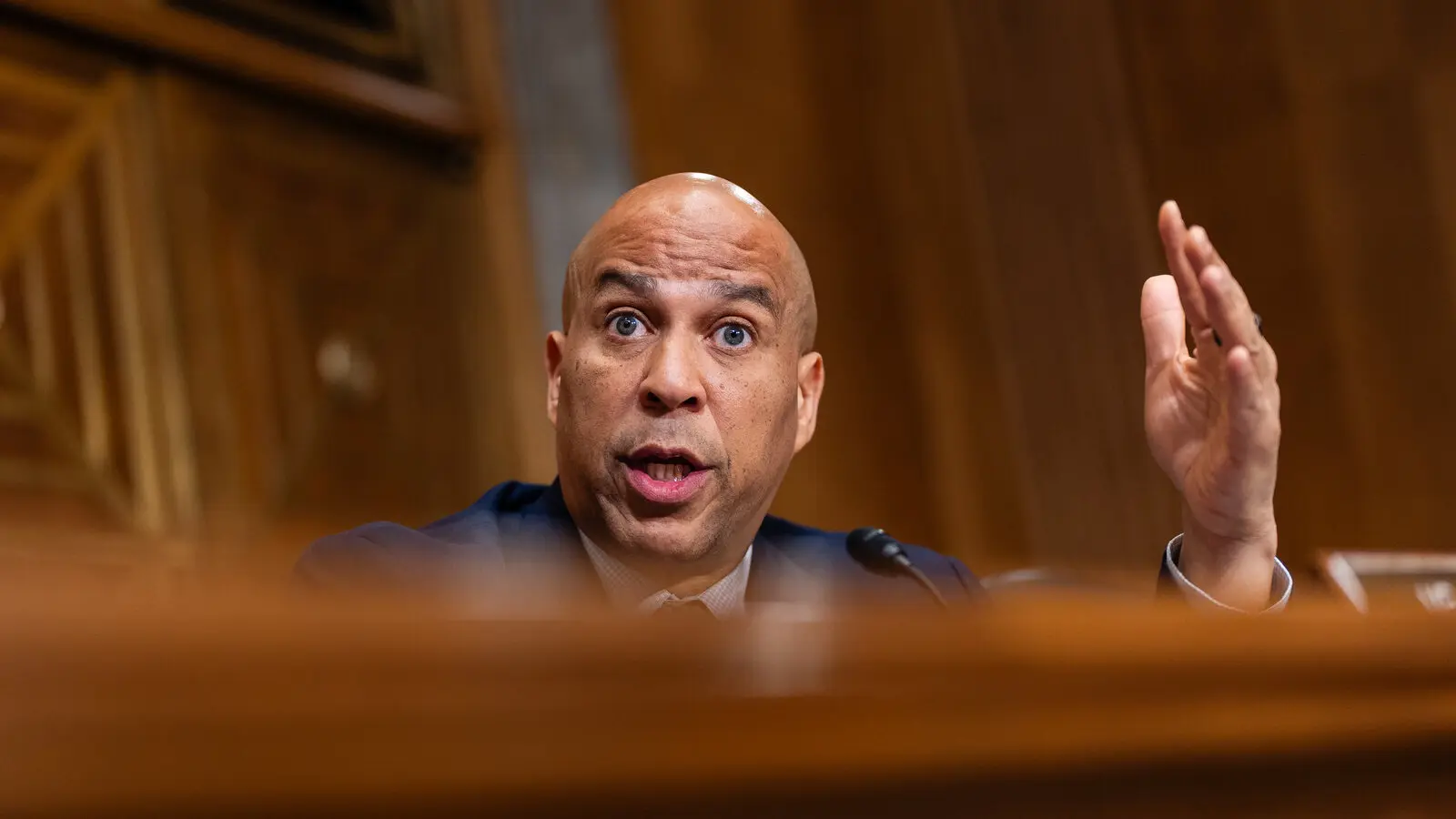
The primary obstacle remains a bloc of Democratic senators, led in part by Senator Cory Booker, who issued a statement on July 22 characterizing the bill in its current form as falling short. Their objections center on stablecoin yield provisions – banking lobbyists argue that crypto exchanges paying attractive yields on customer balances could erode bank deposit bases – and on the scope of ethics language governing federal officials’ digital asset holdings.

The July 22 update to the bill introduced a White House-developed ethics title banning covered federal officials and their spouses from issuing or promoting digital assets, with a 2029 sunset clause and enforcement routed through the DOJ rather than a private right of action.
Senators Ruben Gallego and Thom Tillis are working on alternative ethics language to send to the White House, per pre-research context, suggesting the impasse is active rather than resolved. The Democratic holdout position and the August recess timeline remain the bill’s critical path variables.
If a cloture vote is not held before August 8, final consideration shifts to September at the earliest – extending a legislative standoff that has already consumed most of 2026. If the procedural vote is held but fails, the CLARITY Act faces a longer delay into the fall calendar with no guarantee the current coalition holds.
DISCOVER: Best Meme Coins to Buy in 2026
next