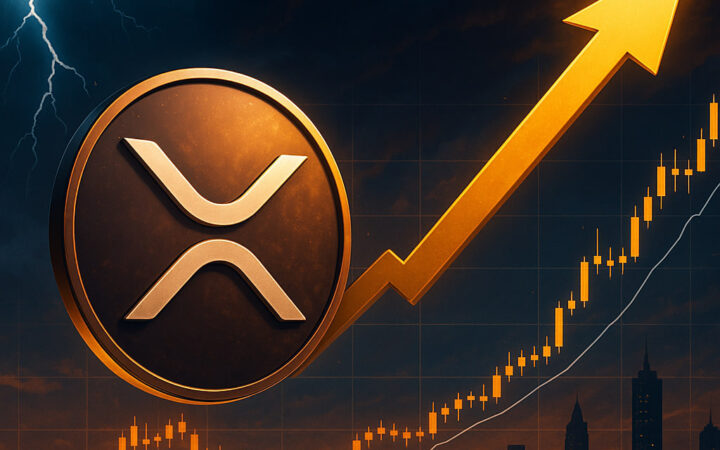
Ripple vs. SEC: Ende des jahrelangen Rechtsstreits?
Ripple zieht den Cross-Appeal gegen die SEC zurück – jahrelanger Rechtsstreit steht vor Abschluss. Folgen für XRP-Kurs und Zukunftsaussichten.
Latest Cryptocurrency news
For the average millennial or at least anyone that pays attention to the business world, the term “cryptocurrency” would not seem like such a strange word. If that is, then the terms Bitcoin, Ethereum or at least Blockchain should ring a bell. One might wonder, why are these terms suddenly so prevalent, especially cryptocurrency news? Computing is getting rather pervasive and the society is leaning towards digital services. The finance world too isn’t spared as the disruption of technology into this sector has fostered the birth and development of Fintech organizations.
These Fintech organizations look to digitize payments and transactions, offering the same services that are currently in existence but in a better, efficient and more effective way.
What is Blockchain?
Blockchain is the network upon which most of these cryptocurrencies operate on. The history of blockchain and bitcoin, in particular, does not have a definite story. In 2009, an individual or group of individuals known to be „Satoshi Nakomoto“ developed and published the technology to allow people make digital payments between themselves anonymously without having an external party to verify or authorize the transfer of the currency being exchanged.
How does Blockchain work?
Although technologies like this might seem rather complex, understanding how Blockchain works is quite easy, given that one has a basic idea of how networks work. Blockchain is simply a database shared between several users, containing confirmed and secured entries. It is a network, where each entry has a connection to its previous entry.
This technology affords a very secure model whereby every record in the database cannot be tampered with. Apart from the stellar security that this network offers, the transparency and speed at which the network operates give it an edge over the conventional way of conducting transactions.
What are Cryptocurrencies?
In simple terms, cryptocurrencies are just monies in digital form, transacted via digital means and over a digital network. The transfer of these currencies is utilized with cryptography and the aforementioned blockchain network. Up until the 2010s, cryptocurrencies were not really known until Bitcoin made its breakout and this gave rise to the birth of new cryptocurrencies.
What does the future hold for Blockchain and Cryptocurrency?
Cryptocurrencies have had their fair share of bullish and bearish trends, going to show how unstable they can be. The latest cryptocurrency news reports lots of people predicting prices for various cryptocurrencies in the years to come but no-one can say for sure.
Blockchain, on the other hand, is making its way into pervasive computing, especially IoT, giving way for the development of new solutions that embrace data security and transparency.
Ripple zieht den Cross-Appeal gegen die SEC zurück – jahrelanger Rechtsstreit steht vor Abschluss. Folgen für XRP-Kurs und Zukunftsaussichten.

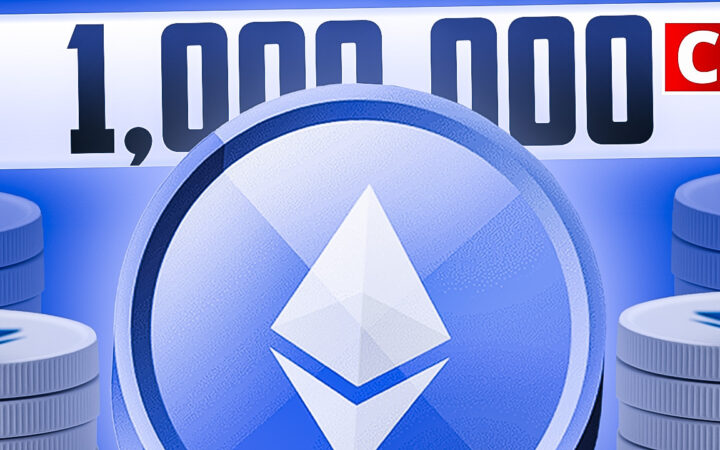
Ethereum-Wale kaufen beinahe 1 Million ETH an einem Tag – Rekord seit sieben Jahren. Parallel schnellt der Staking-Anteil auf 29,02 Prozent.
Ein weiteres Stück Cyberkriminalität fällt – und diesmal trifft es direkt das Herz: Die USA haben eine Krypto-Wallet mit Verbindungen zur russischen Aeza Group sanktioniert, die mutmaßlich Infrastruktur für Ransomware, Infostealer und Darknet-Marktplätze bereitstellte. Die Botschaft ist klar: Wer digitale Beute verarbeitet, wird zur Zielscheibe.
Was gestern noch undenkbar schien, wird bald Realität: Deutschlands konservativste Bankengruppe steigt in den Krypto-Handel ein. Die Sparkassen, Sinnbild für Stabilität und Zurückhaltung, öffnen ihren mehr als 50 Millionen Kunden nun die Türen zur Welt von Bitcoin und Ethereum – direkt über die gewohnte Banking-App. Ein Paradigmenwechsel, der das deutsche Finanzsystem erschüttern könnte.
Bitcoin wächst stark – aber abseits der Blockchain: Institutionelle Käufe laufen verborgen über ETFs und OTC-Desks.
Dogecoin Cash Inc. setzt seine Hoffnungen auf Dogecoin und verbindet Cannabis, Meme-Coins und Blockchain in einem ungewöhnlichen Unternehmensmodell.
Technische Hürden, schwaches Momentum und das nahende Wochenende machen einen Bitcoin-Ausbruch über $108.000 immer unwahrscheinlicher.
Nach langem Zögern ermöglichen die deutschen Sparkassen ihren rund 50 Millionen Kunden künftig den Handel mit Bitcoin, Ethereum & Co. über die DekaBank.
Botanix bringt erstmals echtes DeFi auf Bitcoin – mit voller EVM-Kompatibilität und einem dezentralen Netzwerk aus Top-Partnern.
Trump-nahe Krypto-Akteure verlagern ihr Geschäft nach Dubai – und zeigen, wie politischer Einfluss und Bitcoin zusammenfließen.
Der erste US-ETF mit Solana-Staking schafft eine neue Verbindung zwischen traditionellem Finanzmarkt und Blockchain-Technologie.
Strategy baut seine Bitcoin-Position massiv aus – ein klares Zeichen für die wachsende Bedeutung von BTC als Unternehmenswert.
Mit seinen strengen Stablecoin-Regeln setzt Hongkong ein deutliches Zeichen gegen die Vorherrschaft des US-Dollars und stärkt Chinas Einfluss im digitalen Finanzsektor.
Metaplanet treibt die Bitcoin-Adoption auf Unternehmensseite voran, doch die aggressive Finanzierung birgt extreme Risiken.
Die Blockchain-Welt steht nie still – und die BNB Smart Chain setzt mit dem Maxwell-Upgrade ein starkes Zeichen. In einer Branche, in der Geschwindigkeit, Sicherheit und Skalierbarkeit über Erfolg entscheiden, hebt sich BNB Chain nun mit Blockzeiten unter einer Sekunde deutlich von der Konkurrenz ab. Das Upgrade zeigt, wie technologische Innovation das Fundament für ein wachsendes, leistungsfähiges Krypto-Ökosystem bildet.