
 Fact-Checked by:
 21 mins
 LiquidChain is a Layer 3 blockchain project that wants to unify the liquidity of Bitcoin, Ethereum, and Solana into a single execu...
10 Best Play-to-Earn Games for Earning Crypto Rewards in 2026
Based on our analysis, the best play-to-earn game in 2026 is Axie Infinity. It is a browser-based game where you earn tokens by playing, not by buying expensive hardware. You build a team, improve it over time, and earn more rewards by playing better and staying active.
Two strong alternatives are Pudgy Penguins, a popular NFT brand with a casual, free-to-play party game, and Pixels, a simple farming-style Web3 game where players earn rewards by completing daily tasks and staying active.
According to DappRadar (Q3 2025), blockchain gaming still averages 4.66M daily active wallets, suggesting solid engagement and room for growth.
Our methodology weighs gameplay quality, user experience, earning sustainability, and security audits to rank titles that deliver fun, fairness, and credible on-chain economies.
Top P2E Game in February 2026 – Editor’s Pick
Our top play-to-earn game for February 2026 is Axie Infinity (AXS). It lets people earn crypto just by playing, with no special hardware needed. You collect and battle Axies, upgrade your team over time, and earn more by playing smart and staying active in the game.
Best Play-to-Earn Games to Try in 2026 Reviews
This section features detailed reviews for the best play-to-earn games of 2026, from battle-based brawlers to DeFi-powered RPGs.
1. Axie Infinity – Original Play-to-Earn Game
Axie Infinity is one of the first play-to-earn crypto games. Players collect Axies, build teams, and fight other players or complete quests. What makes the game stand out is its simple turn-based combat and strong focus on breeding and progression.
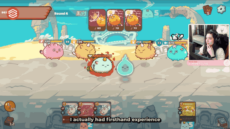
Chain your Axie cards to win PvP rounds and earn SLP. Source: YouTube
Key Facts:
- Best For: Competitive PvP players
- Skill Level: For all skill levels
- How You Earn: Battles, quests, staking
- Our Rating: ⭐8.3/10
| Blockchain & Token | Ronin, Ethereum |
| Genre | RPG, battler |
| Platform | PC, iOS, Android |
| Entry Cost | Free to play, NFTs optional |
| NFT | Axie ownership, breeding |
| Earning Potential | Around $50-150 per month for active users |
| Risk Note | Earnings volatility, economic cycles |
| Status | Live |
2. Pudgy Penguins – NFT Gaming Universe
Pudgy Penguins started as a popular NFT collection and later expanded into games and a broader Web3 brand. The main game so far is Pudgy Party, a free-to-play mobile game where players compete in short, fun elimination rounds using Pudgy characters. The game is designed for entertainment and brand growth rather than direct crypto earnings.

Play short party-style matches with Pudgy Penguins characters. Source: YouTube
Key Facts:
- Best For: Casual players, NFT collectors
- Skill Level: Easy for beginners
- How You Earn: NFT trading
- Our Rating: ⭐7.9/10
| Blockchain & Token | Ethereum |
| Genre | Party game, battle royale |
| Platform | iOS, Android |
| Entry Cost | Free to play |
| NFT | Character ownership, cosmetics |
| Earning Potential | Indirect via NFT trading |
| Risk Note | No direct earnings in Pudgy Party |
| Status | Live |
3. Pixels – Cozy Play-to-Earn Farming Game
Pixels is a relaxed play-to-earn farming game where players grow crops, complete quests, gather resources, and interact with other players. The game focuses on daily progression and social play rather than competition, which makes it stand out from PvP-heavy crypto games.
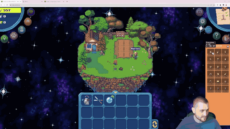
Cultivate your island plot in Pixels and climb leaderboards for PIXEL rewards. Source: YouTube
Key Facts:
- Best For: Casual progression players
- Skill Level: Easy for beginners
- How You Earn: Quests, farming, events
- Our Rating: ⭐7.8/10
| Blockchain & Token | Ronin |
| Genre | Farming, social RPG |
| Platform | Browser, PC |
| Entry Cost | Free to play |
| NFT | Land ownership, items |
| Earning Potential | Around $30-100 per month |
| Risk Note | Token inflation, reward changes |
| Status | Live |
4. Off the Grid – AAA Shooter with Optional Crypto
Off the Grid is a fast-paced battle royale shooter with a strong AAA feel. The game looks and plays like a traditional high-budget shooter, with smooth movement, gunplay, and a cyberpunk-style world. Crypto elements exist, but they stay in the background and do not affect core gameplay. NFTs come from loot boxes and cosmetic items, which can be traded if players want to engage with Web3.

Off the Grid sits between PUBG and Apex Legends, with a familiar shooter-style interface. Source: YouTube
Key Facts:
- Best For: Shooter and battle royale fans
- Skill Level: Medium to high
- How You Earn: NFT trading, loot boxes
- Our Rating: ⭐7.9/10
| Blockchain & Token | Avalanche (GUNZ L1 subnet) |
| Genre | Battle Royale / Extraction Shooter |
| Platform | PC (Steam, Epic Games, GeForce Now), PlayStation 5, Xbox Series X/S |
| Entry Cost | Free to play, <$50 for Web3 options |
| NFT | Cosmetics, loot items |
| Earning Potential | $50-150 per month for active players |
| Risk Note | NFT demand, early-stage economy |
| Status | Early access |
5. Alien Worlds – Sci-Fi Crypto Mining Game
Alien Worlds is a simple play-to-earn game focused on mining. Players choose a planet, equip tools, and mine resources to earn TLM tokens. The game stands out for its very low entry barrier and hands-off gameplay that runs mostly on timers.
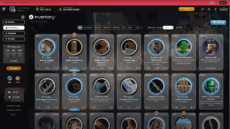
Equip NFT tools and avatars to optimize TLM mining in Alien Worlds. Source: YouTube
Key Facts:
- Best For: Casual crypto gamers
- Skill Level: For beginners
- How You Earn: Mining, staking
- Our Rating: ⭐7.5/10
| Blockchain & Token | WAX, Ethereum, BNB Chain |
| Genre | Mining, strategy |
| Platform | Browser |
| Entry Cost | Free to play |
| NFT | Tools and land ownership |
| Earning Potential | $10-50 per month |
| Risk Note | Low earnings, inflation |
| Status | Live |
6. Big Time – Action MMORPG with Crypto Rewards
Big Time is a fast-paced action RPG where players fight enemies, clear dungeons, and collect loot. The game plays like a classic MMO, but adds crypto elements through NFTs and tokens. What makes Big Time stand out is that it is free to play and focuses more on gameplay than grinding for rewards.

Dash through Big Time dungeons, crush the boss’s minions, and chase NFT loot. Source: YouTube
Key Facts:
- Best For: Action RPG players
- Skill Level: For all skill levels
- How You Earn: Loot, NFTs, tokens
- Our Rating: ⭐7.4/10
| Blockchain & Token | Ethereum |
| Genre | Action RPG, MMO |
| Platform | PC |
| Entry Cost | Free to play |
| NFT | Cosmetics, items |
| Earning Potential | $50-200 per month |
| Risk Note | Reward changes, time grind |
| Status | Live |
7. Decentraland – DAO-Powered Metaverse Game
Decentraland is a virtual world where players explore, socialize, and build experiences on digital land. Users can create games, events, and spaces, then invite others to visit. What makes Decentraland stand out is full player ownership of land and items, with a strong focus on creativity rather than gameplay loops.

Begin Decentraland’s tutorial: fetch components, craft, and explore the starter island. Source: YouTube
Key Facts:
- Best For: Creative builders, virtual landowners
- Skill Level: For all skill levels
- How You Earn: Land, items, events
- Our Rating: ⭐7.2/10
| Blockchain & Token | Ethereum |
| Genre | Metaverse, sandbox |
| Platform | Browser, PC |
| Entry Cost | Free to explore, land optional |
| NFT | Land and item ownership |
| Earning Potential | Up to $100 per month for active users |
| Risk Note | Land demand cycles |
| Status | Live |
8. The Sandbox – Build and Earn Metaverse
The Sandbox is a virtual world where players build games, experiences, and worlds using simple tools. Users can own land, create content, and invite others to play. The Sandbox has a strong focus on user-created content and big brand partnerships.

Explore player-built LAND, complete quests, and showcase NFT art in The Sandbox. Source: YouTube
Key Facts:
- Best For: Creative builders, NFT creators
- Skill Level: For all skill levels
- How You Earn: Land, items, experiences
- Our Rating: ⭐7.2/10
| Blockchain & Token | Ethereum |
| Genre | Metaverse, sandbox |
| Platform | PC |
| Entry Cost | Free to play, land optional |
| NFT | Land and asset ownership |
| Earning Potential | Up to $150 per month for active users |
| Risk Note | High land costs |
| Status | Live |
9. Gods Unchained – Crypto Trading Card Game
Gods Unchained is a digital card game where players build decks and battle others in turn-based matches. It feels similar to classic card games, but players actually own their cards as NFTs. In this play-to-earn game, skill matters more than spending money.
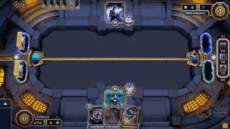
Curve out and control the board in Gods Unchained to climb ranks for GODS. Source: YouTube
Key Facts:
- Best For: Strategy and card games focused players
- Skill Level: Best for skilled players
- How You Earn: Matches, cards, rewards
- Our Rating: ⭐7.5/10
| Blockchain & Token | Ethereum |
| Genre | Card game, strategy |
| Platform | PC |
| Entry Cost | Free to play |
| NFT | Card ownership, trading |
| Earning Potential | Up to $100 per month |
| Risk Note | Card value swings |
| Status | Live |
10. Illuvium – AAA Open-World Crypto Game
Illuvium is a high-quality open-world RPG where players explore different areas, fight creatures called Illuvials, and build strong teams. The game focuses on visuals and deeper gameplay compared to most crypto games.

Explore Illuvium’s overworld, track wild Illuvials, and gather resources. Source: YouTube
Key Facts:
- Best For: RPG and exploration fans
- Skill Level: Best for skilled players
- How You Earn: PvE, PvP, NFTs
- Our Rating: ⭐7.2/10
| Blockchain & Token | Ethereum |
| Genre | RPG, open world |
| Platform | PC |
| Entry Cost | Free to play, NFTs optional |
| NFT | Creature and item ownership |
| Earning Potential | Up to $200 per month for active players |
| Risk Note | High system requirements |
| Status | Live |
Compare the Top Play-to-Earn Games by Earnings
This play-to-earn games list compares the best P2E games across key features for users evaluating gaming tokens alongside other crypto to buy in 2026. Whether you’re looking for a free mobile game or a deep RPG with real token rewards, this quick-glance table helps you choose the right experience based on your time, budget, and goals, and maybe even spot the top new crypto project before it takes off.
| Game | Cost to Start | Rewards | Get tokens |
| Axie Infinity | Free to play, NFTs optional | $50-150 per month | Visit Bybit |
| Pudgy Penguins | Free to play | No direct earnings in Pudgy Party | Visit Coinbase |
| Pixels | Free to play | $30-100 per month | Visit Binance |
| Off the Grid | Free to play | $50-150 per month | Visit Bitunix |
| Alien Worlds | Free to play | $10-50 per month | Visit KCEX |
| Big Time | Free to play | $50-200 per month | Visit CoinEx |
| Decentraland | Free to explore, land optional | Up to $100 per month | Visit BloFin |
| The Sandbox | Free to play, land optional | Up to $150 per month | Visit MEXC |
| Gods Unchained | Free to play | Up to $100 per month | Visit OKX |
| Illuvium | Free to play, NFTs optional | Up to $200 per month | Visit BingX |
P2E Games That Didn’t Make the List
These play-to-earn games are still popular, but they did not make the list because their earning potential or gameplay no longer stand out.
DeFi Kingdoms
DeFi Kingdoms mixes a fantasy-style game with DeFi features. Players use heroes, complete quests, and interact with DEX and liquidity pools inside the game world. At its peak, it was very popular, but activity and rewards have dropped a lot over time.
Our Verdict: Earnings are now inconsistent and tied to DeFi risks. Pixels offers a simpler and more stable play-to-earn experience.
Sorare
Sorare is a fantasy sports game where players collect NFT cards of real athletes and build teams based on real match results. Most value comes from card ownership and trading, not gameplay.
Our Verdict: It is more about collecting than earning. Gods Unchained provides clearer play-to-earn rewards.
STEPN
STEPN is a move-to-earn app where users earn tokens by walking or running with NFT sneakers. Rewards dropped as the user base grew and token prices fell.
Our Verdict: Rewards are no longer attractive. Alien Worlds is a better low-entry play-to-earn option.
How to Maximize Rewards from the Best Play-to-Earn Games
Earning from play-to-earn games isn’t just about playing; it’s about playing smart. Whether you’re grinding for tokens, flipping NFTs, or staking assets, these tips will help you secure your P2E journey and earn more from P2E games over time.
Smart Tips to Maximize Play-to-Earn Earnings
- Stake only in verified pools with clear audits
- Watch token prices and withdrawal fees before cashing out
- Take part in limited-time events and seasons
- Use separate wallets for savings and gameplay
- Be careful with early NFT buys and hype
The key to maximizing P2E earnings is consistency, caution, and community awareness. Follow official channels, stay updated, and never chase returns without doing your own research.
How to Start Playing Play-to-Earn Games
To start playing play-to-earn games, you need a compatible device, a crypto wallet, and a basic understanding of how crypto rewards work. Once you have these basics in place, you can safely try beginner P2E games and start earning tokens step by step.
What You Need Before You Start
Before jumping into your first P2E game, make sure you have the essentials:
- A device such as a PC for full games or a smartphone for casual play
- A stable internet connection for online gameplay and wallet sync
- A crypto wallet, like MetaMask or Best Wallet, to store and use rewards
- Basic knowledge of how to receive, hold, and send crypto tokens
Once you’re set up, explore games that match your style (casual, competitive, creative), start small, and always test with low-risk assets before committing real value.
How We Rank the Top Play-to-Earn Games (Our Methodology)
Every year, hundreds of play-to-earn games launch, but only a few are worth real attention. To cut through the hype, we rank P2E games in 2026 using Coinspeaker methodology. It’s a simple and consistent framework that scores each game across five criteria, adding up to 100%, so it’s clear why some projects rank higher than others.
Gameplay – 25%
First of all, the game has to be fun. We look at how it plays, whether it gets boring fast, and if there’s a reason to keep coming back. A high score here means players stay for the game itself, not just the rewards.
Earnings Potential – 25%
This is about how rewards actually work. We look at token payouts, NFT value, staking options, and whether rewards feel sustainable. Hype alone doesn’t count; we focus on numbers and real player activity.
User Experience (UX) – 20%
We check how easy it is to start playing. Is the setup clear? Does the interface make sense? Games that are easy to enter, even for people new to crypto, score higher.
Innovation – 15%
Some games just copy what already exists. Others try something new. We give more points to projects that bring fresh ideas, new mechanics, or different economic models.
Security & Credibility – 15%
Safety matters. We look at who built the game, whether contracts are audited, how governance works, and if liquidity looks healthy. Even a fun game scores lower if it feels risky or poorly structured.
How to Read the Scores
- 8.5-10: Strong P2E game with solid gameplay and real earning potential
- 7.0-8.4: Decent project with good basics, but some weak spots
- Below 7: Interesting idea, but still too early or unfinished
We update our scores as games change: new updates, balance fixes, reward changes, or community growth can all affect rankings.
What Are Play-to-Earn Games and How Do They Work?
Play-to-earn (P2E) games are video games that reward players with cryptocurrency or digital assets for in-game activities. According to our research, these games, unlike traditional ones, where rewards stay locked in the game, allow players to earn, own, and trade assets that have real-world value, often in the form of tokens or NFTs (non-fungible tokens).
So, how do play-to-earn games work? Players complete in-game actions, like winning battles, completing quests, farming resources, or crafting items, to receive crypto rewards. These can include native tokens (like AXS, SAND, or PIXEL) or blockchain-based NFTs that can be traded, sold, or staked for additional income.

Winning in Axie Infinity brings rewards, but they do not always convert into tokens. Source: YouTube
Some games are free-to-play, while others require initial purchases (like NFT characters or land). In most cases, earnings depend on your time, skill, and engagement, not just luck or spending power.
Whether you’re a gamer, investor, or crypto newcomer, understanding how P2E games work is essential to navigating this rapidly evolving space.
Popular Types of Play-to-Earn Online Games
In this section, we break down the most popular genres of P2E games, explain how they work, and offer game recommendations for each.
Mobile Play-to-Earn Games
Mobile P2E games bring crypto rewards straight to your pocket. Designed for Android and iOS, these games prioritize accessibility and daily engagement over complexity. Players earn tokens or NFTs through mini-games, farming mechanics, or quick PvP sessions. Many of the most active user bases in Web3 gaming are mobile-first, making this format a favorite for entry-level gamers.
Example Games: Axie Infinity (mobile battles), Pudgy Penguins (casual party game).
Best for: Casual players and crypto beginners.
NFT-Based Play-to-Earn Games
In NFT games that play to earn, the core assets, like characters, items, or land, are tokenized. These NFTs can be upgraded, traded, or used to generate income through in-game actions or passive staking.
Example Games:
- Axie Infinity –Breed and battle collectible NFT creatures.
- Pixels – Level up NFT land plots to farm PIXEL.
- Illuvium – Capture and evolve NFT monsters in an open-world RPG.
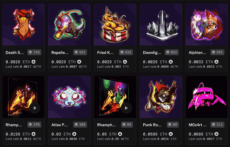
NFTs in Illuvium include Illuvials, shards, land, and useful in-game items. Source: OpenSea
Best for: Players who enjoy ownership, collection, and long-term progression in NFT play-to-earn games.
Shooter and PvP Battle Games
Crypto PvP games focus on skill-based combat where players can win tokens through ranked matches, tournaments, or loot drops. These play-to-earn shooter games reward reflexes, strategy, and team coordination.
Example Games:
- Gunz – Hero-based shooter with token rewards and NFT skins.
- Shrapnel – AAA extraction shooter with NFT gear and land.
- EV.IO – Browser-based FPS where kills earn E tokens.
Best for: Competitive gamers, streamers, and esports fans who want to turn wins into real rewards.
Idle and Clicker Games
If grinding isn’t your thing, idle P2E games let you earn passively by automating gameplay or making simple decisions. These easy play-to-earn games appeal to time-conscious players and casual crypto earners.
Example Games:
- Defi Kingdoms (gardening) – Passive LP staking while characters quest.
- Cryptoblades Kingdoms – Send characters on idle missions for loot.
- Bomb Crypto – Click-to-earn game with retro visuals and NFT characters.
Best for: Players who want passive P2P games that don’t require constant attention.
Crypto Casino and Gambling Games
Crypto casino games mimic traditional gambling experiences, slots, roulette, and poker, but with crypto tokens and provably fair outcomes. Many offer jackpots, staking pools, or tokenized house profits.
Example Games:
- Rollbit – Slot machines and table games using RLB.
- BC.Game – Variety of crypto casino titles with NFT bonuses.
- Stake.com – Popular with streamers; large volume and rewards.
Best for: Risk-tolerant players looking for casino games to earn money in short bursts. (Note: High volatility; use responsibly.)
Play-to-Earn Games on Mobile vs Desktop
When choosing how to play, your device matters. P2E mobile games on Android and iOS are designed for accessibility; they’re perfect for casual sessions, lighter graphics, and seamless wallet integration through apps like MetaMask Mobile or Trust Wallet. Popular options include Harry Hippo, Arc8 by GAMEE, and Hooked Protocol, all offering fast, low-barrier earning opportunities.
In contrast, desktop play-to-earn games typically deliver deeper mechanics, better visuals, and more complex crypto systems like staking or NFT crafting. Titles like Illuvium, Gods Unchained, and Big Time offer immersive gameplay with higher earning ceilings, but require more time and hardware performance.
There’s no “best app to play games and earn money” for everyone; it comes down to your style. Go mobile if you want to earn on the go. Stick to the desktop for richer experiences and competitive play.
Pros and Cons of Play-to-Earn Games
While legit P2E games offer real earning opportunities and innovative gameplay, they also come with risks, from market volatility to unclear regulation. Here’s a quick look at the play-to-earn benefits and potential downsides every player should know:
Benefits:
- Earn real crypto rewards just by playing games
- Own your in-game assets through NFTs and tokens
- Low-cost or free entry with many legit P2E games
- Accessible worldwide, earn regardless of location or background
- Innovative game mechanics powered by blockchain tech
Risks:
- Crypto volatility can make earnings unpredictable
- High gas fees on some networks (especially Ethereum)
- Scams and rug pulls still occur in unverified games
- Regulatory uncertainty in some countries
- Play-to-earn fatigue from repetitive or grind-heavy mechanics
How to Avoid Scams When Choosing the Best P2E Games
To avoid scams in play-to-earn games, stick to known projects, use a separate wallet, and never trust random links or messages. Many P2E scams rely on fake NFTs or malicious contracts, so extra caution is needed when trying new or unverified games. The steps below explain the most common risks and how to avoid them.
Common P2E Scams and How to Avoid Them
| Scam type | What is it | How to avoid it |
| Rug pull | Devs abandon the project after the token launch | Check the team, roadmap, and token unlock schedules |
| Fake NFT drop | Impersonators sell fake or duplicate NFTs | Only mint from official project sites or marketplaces |
| Wallet drainers | Malicious contracts drain your wallet upon approval | Use a burner wallet for new or untrusted games |
| DM scams | Fake support reps ask for seed phrases or offer fake rewards | Never respond to unsolicited DMs, block/report |
| Pump-and-dump tokens | Hype-driven coins with manipulated prices | Check tokenomics, holder distribution, and liquidity |
Safety Tips for Navigating the P2E Space:
- Use a burner wallet when testing new games or minting unknown NFTs
- Never share your seed phrase; no game or support team will ask for it
- DYOR (Do Your Own Research), verify smart contracts, teams, and token utility
- Check token distribution, avoid games where most tokens are held by insiders
- Avoid clicking links in DMs on Discord, Telegram, or Twitter
Staying safe means staying skeptical. If something feels too good to be true in the P2E world, it probably is.
Conclusion – Find the Best Play-to-Earn Game for Your Style
The world of play-to-earn games in 2026 is more diverse, refined, and rewarding than ever, but there’s no one-size-fits-all answer. The best play-to-earn game for beginners might be a mobile farming sim like Pixels, while competitive players may thrive in PvP titles like Axie Infinity or Gods Unchained.
If you’re a crypto investor, look for games with real token utility, staking options, or strong NFT marketplaces like Illuvium or DeFi Kingdoms, rather than chasing every next big crypto narrative.
Whichever path you choose, remember: the most successful players aren’t just early, they’re informed. Stay curious, stay safe, and play the long game. Let your crypto wallet earn, but let your playstyle lead.
FAQ
What are the best play-to-earn games in 2026?
Are there free P2E games with no upfront investment?
Which P2E games work best on mobile?
What new and upcoming play-to-earn games should I watch in 2026?
What are the best P2E games for beginners in 2026?
Are play-to-earn games legit or scams?
How much can you actually earn from P2E games?
Do I need a crypto wallet to play P2E games?
What games can you play to earn real money?
References
- What are play-to-earn crypto games? (Kraken)
- How to handle unknown or malicious NFTs (Ledger)
- Top 10 Best Play-To-Earn Web3 Games in June 2025 (DappRadar)
- What Are Play-To-Earn Games? (Games.GG)
- Gaming Outperforms Web3’s Summer Slowdown (DappRadar)
Coinspeaker in Numbers
250K+
Monthly Users
80+
Articles & Guides
5000+
Research Hours
23
Authors
guides
LiquidChain (LIQUID) Price Prediction 2026, 2027, and 2030
February 4th, 2026
IPO Genie Launch Date – When Does the Presale End?
February 4th, 2026
Best AI Crypto in 2026: Top Artificial Intelligence Cryptocurrencies
February 1st, 2026
The team behind IPO Genie has not yet announced an end date for the presale.
AI cryptocurrencies combine blockchain with artificial intelligence to power decentralized machine learning networks, GPU computin...
Otar Topuria
Crypto Editor, 39 postsI’m a crypto writer and analyst at Coinspeaker with over three years of experience covering fintech and the rapidly evolving cryptocurrency landscape. My work focuses on market movements, investment trends, and the narratives driving them, helping readers what is happening in the markets and why. In addition to Coinspeaker, my insights and analyses have been featured in other leading crypto and fintech publications, where I’ve built a reputation as a thoughtful and reliable voice in the industry.
My mission is to demystify the crypto markets and help readers navigate the noise, highlighting the stories and trends that truly matter. Before specializing in crypto, I worked in the IT sector, writing technical content on software development, digital innovation, and emerging technologies. That made me something of an expert in breaking down complex systems and explaining them in a clear, accessible way, skills I now find very useful when it comes to unpacking the intricate world of blockchain and digital assets.
I hold a Master’s degree in Comparative Literature, which sharpened my ability to analyze patterns, draw connections across disciplines, and communicate nuanced ideas. I’m particularly passionate about early-stage project discovery and crypto trading, areas where innovation meets opportunity. I enjoy exploring how new protocols, tokens, and DeFi projects aim to disrupt traditional systems, while also evaluating their potential risks and rewards. By combining market analysis with forward-looking research, I strive to provide readers with content that is both informative and actionable.