
 Fact-Checked by:
 18 mins
 Most crypto swap platforms have an identity threshold at some point in the process, such as a KYC trigger buried in the terms, a c...
What Is a Crypto Wallet? Beginner’s Guide to How Crypto Wallets Work
A crypto wallet lets you store, send, and manage digital assets on the blockchain. Learn how crypto wallets work, the different types, and how to choose one that fits your needs.
If you’ve used a crypto exchange or broker, you’ve already used a custodial crypto wallet indirectly. Another type of wallet, known as a non-custodial wallet, allows you to explore the cryptocurrency world independently without relying on exchanges.
Cryptocurrency wallets serve as hubs for blockchain activity, enabling people to buy, store, and use digital assets. Whether you’re trading on an exchange, exploring Web3 apps, or simply HODLing Bitcoin for the future, your wallet connects you to the blockchain and your crypto assets.
In this guide, we’ll explain what crypto wallets are, how they work, and the different types available. We’ll also cover wallet security, common risks, and how to set up your own wallet. By the end, you’ll understand how to take full ownership of your crypto and the best practices that help you protect it.
Key Notes
- Crypto wallets provide users with complete control over their digital assets, enabling true ownership and permissionless transactions.
- Wallet security depends on protecting the wallet’s private keys. Keep wallet backups, avoid phishing scams, and use cold storage to help prevent loss or theft.
- Hot and cold wallets serve different purposes. Hot wallets offer fast access for daily use and Web3 activities, while cold wallets provide stronger offline protection for long-term holdings.
What Is a Crypto Wallet?
A crypto wallet is an app or device that stores and manages the cryptographic keys that control your cryptocurrency coins and tokens. Despite the name, a wallet doesn’t actually hold any coins or tokens. Instead, it stores the public and private keys that prove ownership of crypto assets recorded on the blockchain. Think of it as a bridge that connects you to the crypto network.
Most wallets can manage multiple public addresses, each with its own unique keys – think of it like safe deposit boxes at a bank. A difference is that the assets are not physically in the box, but you do need the key to prove your ownership of them. Meanwhile, wallet apps make it easy to view what’s stored at each address and also to receive funds from others who send crypto to your public address.
Private keys are what let you create digital signatures. These signatures act as authorization for transactions. For example, Alice wants to send Bob one Bitcoin, so she signs the transaction using her private key, which confirms she owns the wallet address and approves the transfer. We’ll discuss the other types of authorizations crypto wallets can make in a bit.
Because crypto wallets eliminate intermediaries, such as banks and payment processors, users retain full control over their crypto assets. However, that control also comes with responsibility: if you lose your private keys, no one can restore access to your wallet. Unlike a safe deposit box, no one can drill the lock. Analysis suggests that around 3.8 million Bitcoins (approximately 20% of the total supply) are lost.
Crypto wallets come in many forms, including mobile apps, browser extensions, desktop software, hardware devices, and even physical paper wallets. We’ll explore each type and its ideal use case later in this guide.
How Crypto Wallets Work
A crypto wallet works by generating and storing a pair of cryptographic keys: a public key and a private key. These keys act together to identify your wallet on the blockchain and authorize transactions. Your public wallet address represents your pseudonymous identity on the blockchain, offering a level of privacy.
This wallet address is derived from the wallet’s public key. You can safely share your public address with others who want to send you crypto. However, be aware that anyone can view the transaction history and assets associated with that wallet address (on most blockchains). Additionally, the private key must remain secret because it proves ownership of that address and its assets. When you send crypto, your wallet software uses the private key to create a digital signature that authorizes the transaction. Anyone with the key can access your crypto assets.

Saving your secret recovery phrase. Source: MetaMask
Once signed, the wallet broadcasts the transaction to the network, where miners or validators verify that it meets the protocol rules. When the network reaches consensus (agreement on all the wallet balances), the blockchain updates to show the new balances. In a send transaction, no coins actually move between wallets. Instead, the blockchain simply records the ownership change, adjusting the wallet balance accordingly.
Let’s revisit our earlier example. If Alice sends Bob one Bitcoin, her wallet signs the transaction with her private key and broadcasts it. The network verifies the signature and updates the respective balances: Alice’s balance decreases by one Bitcoin while Bob’s increases by one.
Wallets can also interact with decentralized apps (dApps) or smart contracts (computer programs that run on the blockchain). Again, your wallet address serves as your blockchain identity, allowing you to sign messages or transactions securely without exposing your private key or real-world identity.
Do You Need a Wallet to Buy and Trade Crypto?
You don’t always need to manage a separate wallet to buy or trade cryptocurrency. Centralized exchanges (CEXs) offer custodial wallets that store your cryptocurrency assets. When you buy crypto on a centralized platform like Coinbase or Binance, the exchange manages a custodial wallet for you. You access the platform using a username and password to manage your assets, eliminating the need to manage private keys. This setup is convenient, especially for beginners, but also introduces some risks.
Convenience comes with compromise. In a custodial setup, the exchange controls your private keys, and that’s how we get the crypto culture saying: “Not your keys, not your crypto,” which refers to this trust-based structure.
In a custodial setup, you effectively own an account balance that the exchange maintains on your behalf. If the exchange is hacked, becomes insolvent, or freezes withdrawals, you risk losing access to your assets.
A self-custody wallet, also called a non-custodial wallet, eliminates the need for a trusted intermediary. You hold the private keys to your wallet and, therefore, enjoy full ownership of your crypto. Most experienced traders withdraw their crypto to a non-custodial wallet when they’re done trading.
A non-custodial wallet also enables access to decentralized exchanges (DEXs) and dApps on smart contract networks, allowing you to swap assets without relying on a centralized exchange. Self-custody wallets also enable access to decentralized finance (DeFi) protocols, Web3 games, blockchain-based social networks, and non-fungible token (NFT) platforms.
In summary, while you can trade and store crypto without managing your own wallet, the trade-offs include counterparty risk (with the custodian as the counterparty). Typically, non-custodial wallets also offer ways to buy and trade, including decentralized exchanges and launch platforms where you can buy the hottest new meme coins and other cryptocurrencies.
Types of Crypto Wallets
Crypto wallets come in various forms, each striking a unique balance between convenience and security. We previously discussed the differences between custodial wallets and non-custodial wallets. Much of the discussion going forward centers on types of non-custodial wallets, which are wallets controlled by the owner.
The primary types of non-custodial crypto wallets can be grouped by form factor (app versus device) and where they store private keys (on an internet-connected device versus offline). Each wallet type suits a different kind of user or use case, although there is some overlap among these definitions as well.
In the sections below, we’ll compare hot wallets versus cold wallets, software wallets versus hardware wallets, and custodial versus non-custodial wallets, explaining how each works and who they’re best suited for.
Hot Wallets vs Cold Wallets
The key difference between hot wallets and cold wallets depends on whether the wallet is on a device connected to the internet.
Hot wallets, such as mobile wallet apps, browser extensions, and desktop crypto wallets, are always online. This makes them convenient for frequent trading, Web3 sign-ins, or quick transactions. However, the “hot” moniker signals that this type of wallet stores the private keys on a device that’s connected to the internet. Another name might be “online wallets”.

Ledger is one of the most well-known brands of cold wallets. Source: Ledger
By contrast, cold wallets, also called cold storage wallets, store the private keys offline. Examples include hardware wallets and paper wallets that store private keys away from online threats. Cold wallets offer the most secure long-term storage, although they require additional steps to transfer funds or connect to decentralized applications (dApps).
Who it’s best for:
- Hot crypto wallets cater to active DeFi users, Web3 enthusiasts, and individuals who frequently transfer assets.
- Cold crypto wallets are ideal for investors who prioritize security and long-term crypto storage.
Software Wallets vs Hardware Wallets
Now we begin to see the crossovers. Software wallets are mobile or desktop apps, or even browser extensions, but they are also hot wallets in most cases because they store the private keys on an internet-connected device. Popular examples include MetaMask (Ethereum Virtual Machine chains), Trust Wallet (cross-chain support), and Electrum (Bitcoin network only).
A newer group of software wallets uses Multi-Party Computation (MPC) technology, which prevents private keys from being stored in any single location. Instead, the keys are “computed” on the fly when they are needed.
Contrast that to hardware wallets, which are physical devices that store private keys offline. These devices only connect to the internet when signing transactions – typically via a USB connection, NFC, or Bluetooth, and with the assistance of a companion app.
The companion app or paired software wallet passes the transaction to the hardware crypto wallet, which holds the signing keys, and generally requires the user to approve transactions on the device by pressing a button. Popular hardware wallet examples include Ledger and Trezor.
Who it’s best for:
- Software wallets are best for beginners who want free, flexible access to cryptocurrency or for managing smaller balances.
- Hardware wallets are ideal for serious investors who prioritize maximum security or hold high-value assets.
Custodial vs Non-Custodial Wallets
Custodial wallets give custody of the wallet’s private keys to a third party. For example, a centralized exchange holds user assets in a custodial wallet controlled by the exchange itself. Users log on to the platform to access their assets for trading or other services supported by the platform, such as staking or lending.
Notably, centralized platforms may use a combination of hot and cold storage. Most exchanges store the majority of user assets in cold storage wallets, keeping a smaller amount in hot wallets that make the assets available for use. For example, Coinbase stores about 98% of crypto assets in cold storage. In the background, exchanges manage this availability to balance access to trading funds with security.
However, the custodial trade-off comes in the form of control, as well as the need to trust that the third party behaves honestly and effectively secures the platform. Since the custodian holds your keys, you don’t technically own the crypto; you hold an account balance on their system. If the service becomes insolvent, is hacked, or freezes withdrawals, you could lose access to your funds.
Self-custody wallets allow more experienced crypto users to interact directly with decentralized apps, DeFi platforms, NFT marketplaces, and Web3 services, and cut out the need for exchanges, brokers, or other intermediaries.
Who it’s best for:
- Custodial wallets are best suited for beginners and casual users who prioritize convenience over control.
- Non-custodial wallets are ideal for experienced users who seek full ownership, access to the broader crypto ecosystem, and the flexibility to move assets freely.
How Secure Are Crypto Wallets?
As discussed earlier, a crypto wallet stores the private keys that control your crypto assets on the blockchain. Anyone who gains access to these keys can spend your crypto or send your digital assets to an external wallet that you can’t access. Once that happens, there’s no way to reverse the transaction.
Avoiding Scams and Implementing Best Practices
While your choice of wallet type affects security, a large part of wallet security also depends on the user. For example, most cryptocurrency wallets utilize a seed phrase, also referred to as a recovery phrase. This seed phrase typically consists of 12 or 24 words, and the wallet’s private keys are derived from it.
For example, the following 12-word Bitcoin seed phrase generates the following Bitcoin addresses and keys.
- rival boat delay elbow people razor chase crawl bracket tuna slot time
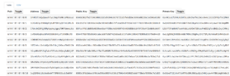
An example of how seed phrases generate wallet keys. Source: BIP39 Mnemonic Code
One common scam involves phishing attempts, where a bad actor poses as a support representative for a company or crypto project, offering to “reset” your wallet if you provide your seed phrase. If successful, the bad actor now has access to your funds because they can remotely recreate your wallet’s private keys using the seed phrase.
The largest crypto hack to date, the $1.5 billion Bybit hack, involved a wallet attack in which the bad actors manipulated browser text to appear as a routine crypto transaction. In reality, the funds were being sent to the attacker’s wallet address. Hardware wallets, such as the one used to approve this transaction, typically show the transaction on the device itself. However, as users, it’s up to us to verify that the transaction we see in a browser or app matches the one we intend to authorize.
In this example, the wallet performed flawlessly. Still, $1.5 billion in ETH was stolen, and the incident highlights the importance of verifying what’s actually occurring during a transaction.
Sharing seed phrases, ignoring software updates, or falling for fake wallet apps are all common mistakes. Following best practices can help mitigate many of the most significant risks associated with crypto wallets.
- Keep valuable holdings in cold storage.
- Use a reputable hardware wallet for cold storage.
- Don’t share your seed phrase or private keys.
- Back up your recovery phrase securely offline.
- Check URLs to avoid phishing attempts.
- Verify transaction details before authorizing.
No crypto wallet is completely safe, and the risk of theft or fraud makes blockchain security a top priority for individual users. According to the FBI’s 2024 Internet Crime Report, cryptocurrency investment scams caused more than $6.5 billion in losses, highlighting the importance of securing your private keys and following best practices.
Advantages and Limitations of Crypto Wallets
The pros and cons of crypto wallets often center on the same criteria: the user controls their own crypto, which can be both empowering and daunting at the same time. Crypto wallets eliminate intermediaries like banks or brokers, enabling users to explore the cryptocurrency ecosystem independently. However, that control also brings new responsibilities, including securing your wallet.
Pros
- True ownership: Holding your own private keys means you have 100% control of your digital assets on the blockchain. No third party can restrict access or freeze funds.
- Permissionless access: A crypto wallet allows users to connect to any compatible dApp and send or receive funds from any other wallet address. Any of these actions could be restricted in the traditional finance world.
- Flexibility: Non-custodial wallets allow you to interact directly with DeFi platforms, NFTs, and other Web3 services.
- Portability: Your crypto wallet can travel with you. Mobile apps, laptop browser extensions, and even hardware wallets are easily portable, allowing you to make cryptocurrency transactions on the go.
Cons
- Complexity: Managing wallets, addresses, and network fees can feel complex for new users accustomed to traditional finance accounts.
- Fund-loss risk: If you lose access to your private keys or recovery phrase, your crypto is permanently inaccessible. It still exists, but without the private keys, it’s effectively gone.
- Online risks: Wallets connected to the internet are more vulnerable to malware or other online attacks.
- Responsibility for security: Crypto doesn’t have a fraud-prevention department or a help desk to correct mistakes. You’re solely responsible for protecting your digital assets.
In short, crypto wallets offer freedom and independence, but they also require careful management and oversight.
How to Set Up and Use a Crypto Wallet
Whether you choose a mobile app, browser extension, or hardware wallet, the process of setting up a crypto wallet is usually similar: create a wallet, secure your recovery phrase, and connect it to the networks or apps you plan to use.
For this walkthrough, we’ll use the Best Wallet app. This mobile app (available for Android and iOS) uses MPC technology to generate private keys, eliminating the need for traditional wallet seed phrases. In general use, the wallet also does not store the private key on your device. However, you can export your private key if needed.
1. Download and Install
Visit the official Best Wallet download page to install the official app. On desktop, Best Wallet provides a QR code with the official app store link. On mobile devices, the provided links open in your device’s app store.

Setting up a crypto account. Source: Best Wallet
Install the app on your device.
2. Create an Account
Best Wallet uses an email address to confirm your account. Provide a valid email address. The app also supports Google ID and Apple ID.

Sign in or set up your account. Source: Best Wallet
After verifying your email, Best Wallet automatically creates a secure, multi-chain wallet for you.
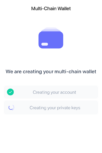
Multi-chain wallets enable you to operate across multiple blockchains. Source: Best Wallet
3. Secure Your Wallet
Create a 4-digit PIN to secure your wallet when your device is unattended. Best Wallet also supports biometric (fingerprint) login.

Setting up a passcode. Source: Best Wallet
4. Backup Your Wallet
Best Wallet supports cloud backup for your wallet. Choose this option to ensure wallet access if you lose your device or uninstall the app.

Choose how to save your passwords. Source: Best Wallet
Follow the on-screen instructions to set a secret word that will be used to encrypt your backup. Only encrypted data is stored in the cloud, meaning your private information remains unreadable to anyone without your secret word.
That’s it. You’re ready to start using your wallet. If you already have crypto on an exchange or in another wallet, you can send funds to the Best Wallet app. You can also use the app to buy crypto without using a crypto exchange at all.
Conclusion
Crypto wallets enable digital autonomy in the cryptocurrency ecosystem. They give users direct control of their crypto assets, allowing true financial independence without banks, brokers, or payment services. You are your own bank. However, that freedom also comes with responsibility, including protecting private keys, verifying transactions before approving them, and adhering to security best practices.
The type of wallet that fits best depends on your goals. Hot wallets offer convenience for everyday transactions and Web3 interaction, while cold wallets provide long-term security for larger crypto holdings. Many users choose to combine both, keeping “pocket money” in a hot wallet and using cold storage to safeguard their long-term digital wealth.
Disclaimer: This article is for informational purposes only and does not provide financial, trading, or investment advice. Cryptocurrency prices can fluctuate wildly, so always do your own research (DYOR), assess risks, and consult a professional before making financial decisions. The author and team are not responsible for any losses from using this information.
FAQ
Can I use one crypto wallet for multiple types of cryptocurrency?
How do I move crypto from one wallet to another?
What happens if my hardware wallet is lost or damaged?
Do I still need a crypto exchange if I have my own wallet?
Are crypto wallets insured like bank accounts?
References
- How to set up a crypto wallet (Coinbase)
- What is MPC (Multi-Party Computation)? (fireblocks.com)
- 18 Popular Code Packages Hacked, Rigged to Steal Crypto (krebsonsecurity.com)
FAQ What Is a Crypto Wallet? Beginner’s Guide to How Crypto Wallets Work
What is a crypto wallet?
A cryptocurrency wallet is a software program that stores private and public keys. It interacts with various blockchains to enable users to send and receive digital currency and monitor their balance. If you want to use Bitcoin or any other cryptocurrency, you need a digital wallet.
How does a crypto wallet work?
Wallets need private keys to interact with the various blockchains associated with cryptocurrencies. Other senders use public keys on the blockchain network to send currency units to your wallet address, while private keys allow access to those funds so that you can spend them or send them to other addresses on the network.
What are the types of crypto wallets?
There are two basic types of blockchain wallets: software wallets and hardware wallets. Types of software wallets include web (or crypto exchange) wallets, mobile wallets, and desktop wallets. A hardware wallet is a physical device that secures access to your cryptos offline.
What cryptocurrencies can I keep in a crypto wallet?
It’s important to note that a crypto wallet does not hold any actual cryptocurrency. Instead, it holds the public and private key information needed to carry out crypto transactions. The cryptocurrency itself is stored on a blockchain.
Coinspeaker in Numbers
250K+
Monthly Users
80+
Articles & Guides
5000+
Research Hours
23
Authors
guides
How to Swap Crypto on Godex: A Step-by-Step Guide to No-KYC Crypto Swapping
June 12th, 2026
CoinDepo vs. WhiteBIT Earn Comparison: Yields, Features, Security and More
June 2nd, 2026
Divine Ray (DRC) Price Prediction 2026-2030
June 1st, 2026
In the competitive world of crypto yield generation, CoinDepo and WhiteBIT Earn have built notable reputations as centralized plat...
Although most Web3 social platforms struggle to move beyond the hype phase, Divine Ray has taken a more grounded route. Its team h...
Ibrahim Ajibade
, 373 postsI’m a research analyst with experience supporting Web3 startups and financial organizations through data-driven insights and strategic analysis. My goal is to help organizations make smarter decisions by bridging the gap between traditional finance and blockchain innovation.
With a background in Economics, I bring a solid understanding of market dynamics, financial systems, and the broader economic forces shaping the crypto industry. I’m currently pursuing a Master’s degree in Blockchain and Distributed Ledger Technologies at the University of Malta, where I’m expanding my expertise in decentralized systems, smart contracts, and real-world blockchain applications.
I’m especially interested in project evaluation, tokenomics, and ecosystem growth strategies, as these are areas where innovation can drive lasting impact. By combining my academic foundation with hands-on experience, I aim to provide meaningful insights that add value to both the financial and blockchain sectors.