
August 17th, 2026
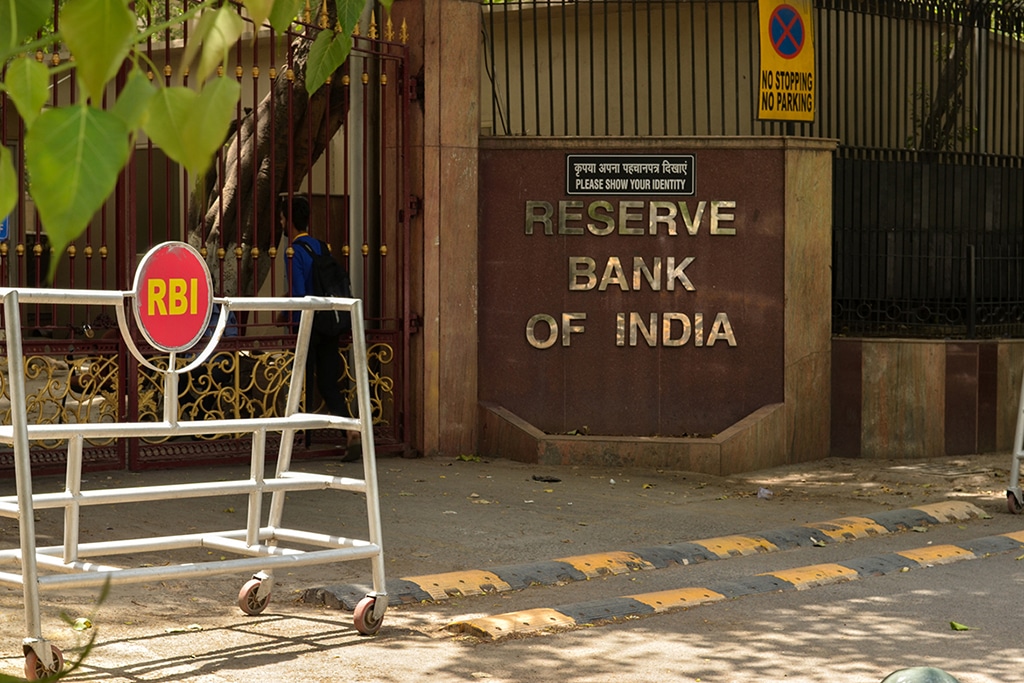
The RBI is also reportedly consulting with a US-based financial services company FIS fo the launch of its central bank digital currency (CBDC).
There are also many negativities that Central Bankers focus on when it comes to the use of digital currencies for international or even local transactions.

Digital Asset, EMTECH, Knox Networks, and Ripple are named among the participants of the new program.

It is important to note that FedNow is not a blockchain-based product like Cosmos, Monero, Polkadot, or Bitcoin.

Nigeria launched its Central Bank Digital Currency, the eNaira, in October 2021, becoming the first African country to do so.

Citing the emergence of cryptocurrencies and large digital platforms, ECB states that CBDCs are “the only solution to guarantee a smooth continuation of the current monetary system”.

Fed governor said that the FedNow service will cater to the demand for instant payments while addressing a key value proposition of having a US CBDC.

The RBA has announced plans to conduct a yearlong pilot research phase for CBDC applicability in Australia.

This Western European country is now tied with the US as the most crypto-friendly economy.
According to reports, the pilot will focus on two important factors namely: The Foundation track and the Innovation track.

The ECB noted that CBDCs provide a more credible alternative compared to unbacked digital assets.

The FSC also added that credit cards cannot be used for stocks, online gambling, futures options, and other transactions in Taiwan.
At the Federal Reserve conference on the digital dollar, panelists said that a proper crypto regulatory framework should come first.
The blockchain payments company, Ripple Labs Inc has announced the launch of its hackathon dubbed Ripple CBDC Innovate challenge as it seeks to power innovation bordering on Central Bank Digital Currencies.

Finance ministers and central bankers from the Group of Seven (G7), a group of nations boasting the world’s most advanced economies, recently stepped up their calls for more stringent regulation of cryptocurrency assets, especially so-called stablecoins that are pegged to the price of traditional fiat currencies.