Carrefour Reveales Blockchain Tracking Boosted Sales of Certain Products
As Carrefour unveiled, the implementation of a blockchain-based tracking system has managed to increase its sales.
By Julia Sakovich
Updated
3 mins readPhoto: Carrefour / Twitter
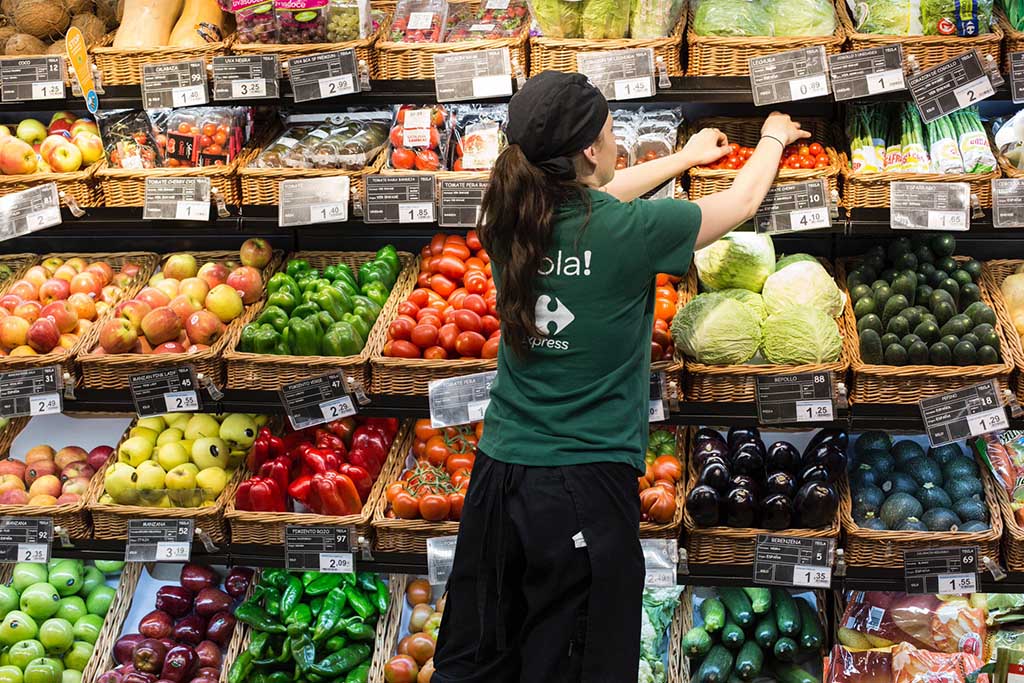
According to the recent reports, the implementation of blockchain-based tracking allowed French retail giant Carrefour to boost its sales.
Earlier, we already reported about the launch of company’s blockchain initiative. In October 2018, tech giant IBM released its food-tracking blockchain project in partnership with Carrefour.
The participation of Carrefour was extremely important for the expansion of the project. But it turned out to be a win-win game. The retail giant is so satisfied with the results that it is going to add more products to the system. It is planning to add 100 products more, including non-food items such as baby products.
Now Carrefour’s blockchain tracking system offers customers an opportunity to track the supply chain of 20 items. This group of selected items includes meat, milk, cheese, eggs and fruit from farms to stores. With this tracking system, customers can observe the entire way of the product. As a result, they can make sure that they are not buying products with genetically modified organisms, antibiotics, and pesticides. In such a way, the system helps to increase shopper trust.
Emmanuel Delerm, Carrefour’s blockchain project manager, explained the role of its new system for their company the following way:
“You are building a halo effect – ‘If I can trust Carrefour with this chicken, I can also trust Carrefour for their apples or cheese.’”
How to Use the System
If you want to get information about a product, you just need to scan its QR barcode with your phone. In case you take some kind of fruit for scanning, you’ll see the date of harvest, location of cultivation, the owner of the plot. You will see the date of its package, the time needed for transportation. Moreover, you will even get some tips on how to consume and prepare it.
Delerm also shared that, for example, pomelo was being sold faster than the year before due to blockchain. The stores have also noticed a positive impact on the chicken versus the non-blockchain chicken.
The highest popularity this initiative has gained in China. But as for this country, it’s worth mentioning that shoppers there are already accustomed to scanning QR codes. Italy and France are also among the countries where shoppers actively use the new opportunity.
Especially, consumers are interested in getting the data on the origin of products and even the ways how farmers take care of their animals.
“Millennials are buying less but buying better products for their health, for the planet,” Delerm explained.
It is also known that in mid-April this year, Carrefour and food giant Nestlé had entered in a partnership with IBM to use the blockchain tech for tracking the supply chain of Mousline. The idea of cooperation is to increase trust towards this well-known brand of instant mashed potatoes. Thanks to this initiative, consumers can check the varieties of potato used, when and where the product was manufactured, where and how it was stored as well as information on quality control.
I’m a content writer and editor with extensive experience creating high-quality content across a range of industries. Currently, I serve as the Editor-in-Chief at Coinspeaker, where I lead content strategy, oversee editorial workflows, and ensure that every piece meets the highest standards. In this role, I collaborate closely with writers, researchers, and industry experts to deliver content that not only informs and educates but also sparks meaningful discussion around innovation.
Much of my work focuses on blockchain, cryptocurrencies, artificial intelligence, and software development, where I bring together editorial expertise, subject knowledge, and leadership experience to shape meaningful conversations about technology and its real-world impact. I’m particularly passionate about exploring how emerging technologies intersect with business, society, and everyday life. Whether I’m writing about decentralized finance, AI applications, or the latest in software development, my goal is always to make complex subjects accessible, relevant, and valuable to readers.
My academic background has played an important role in shaping my approach to content. I studied Intercultural Communications, PR, and Translation at Minsk State Linguistic University, and later pursued a Master’s degree in Economics and Management at the Belarusian State Economic University. The combination of linguistic, communication, and business training has given me the ability to translate complex technical and economic concepts into clear, engaging narratives for diverse audiences.
Over the years, my articles have been featured on a variety of platforms. In addition to contributing to company blogs—primarily for software development agencies—my work has appeared in well-regarded outlets such as SwissCognitive, HackerNoon, Tech Company News, and SmallBizClub, among others.