The technologies do not stand still which ensures changes in the market conditions and, what’s more, market needs and demands. For the companies, that don’t want to lose their positions just because their products are not up-to-date enough to keep afloat, it’s a good incentive to have their ears open and be ready for changes.
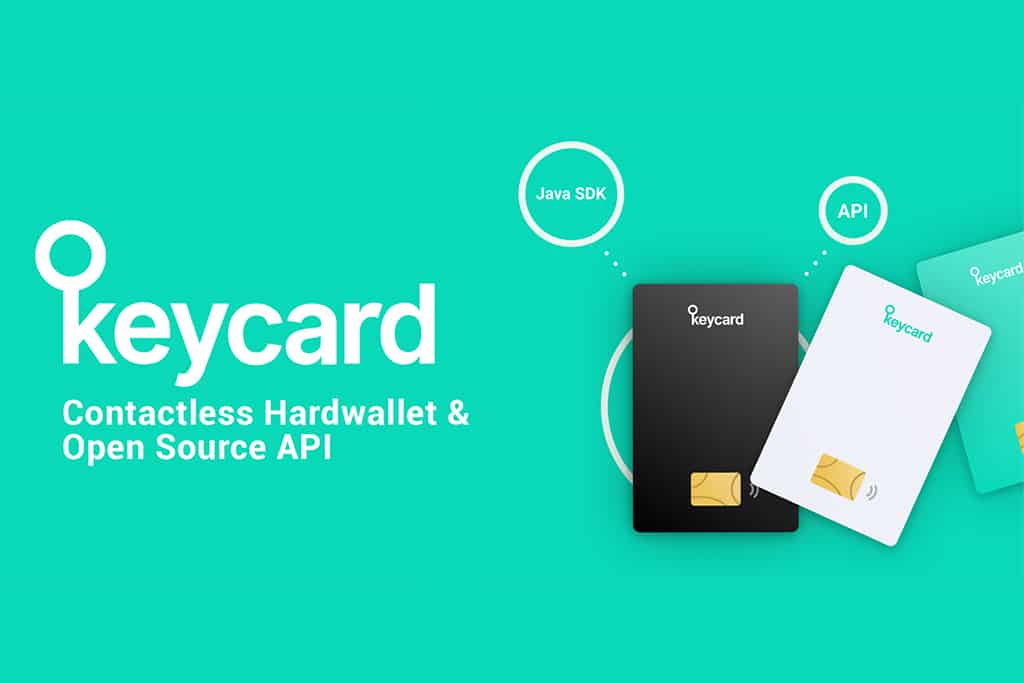
As it has become known, the Ethereum messaging app and mobile browser startup, Status has taken a decision to relaunch its crypto hardware wallet and to give it a new name. Now the wallet will be called the Keycard.
The Hardwallet was released by Status in November 2017. Since that time the crypto landscape has changed significantly, and according to Status team, these changes need to be reflected in the products that are offered.
Keycard Wallet
The first batch of the new version of wallets is already in production. The start of beta testing for developers is scheduled for March.
Nevertheless, the company has already announced that the first 1000 developers who will sign up for the beta program to test the new product will get their wallets for free. Later, it will be possible to purchase the Keycard on Status website for $29 per unit.
What Benefits the Keycard Offers
If you want to understand how the wallet will look like, you need just to look at your Visa card, as the wallet will have just the same shape.
Descriving the benefits of their new crypto wallet, Status project lead Guy-Louis Grau, stated:
“[Keycard] is contactless. It’s going to work with your mobile crypto wallet. You’ll just need to tap your Keycard on a mobile device to sign transactions. Functionally speaking, it’s really a hardware wallet but it works with mobile.”
The company had an aim to make an easy-in-use device that will facilitate storage of crypto assets. The new hardware wallet can be integrated with any desktop app via a simple USB reader.
The Status Keycard supports a number of major cryptocurrencies the list of which include Bitcoin, Bitcoin cash, Litecoin, XRP, Ether. Moreover, the wallet is compatible with all Ethereum-based ERC20 tokens.
Grau also explained that the integration of Keycard into Status software for end-users is to take place later this year and that their aim now it to motivate people to build the card themselves (though such an aim is quite uncommon for cryptocurrency wallet manufacturers).
To help blockchain projects with this process, the company is going to provide Keycard API that can be integrated with hardware to fulfill a wide range of various tasks including storage of private keys, tap-to-pay, and many others.
Speaking about the security, Grau mentioned that it has a strong connection with openness. In his opinion, security is such a parameter that should be assessed by a wide range of people, that’s why software and hardware developers need to make their products open for everyone.
I’m a content writer and editor with extensive experience creating high-quality content across a range of industries. Currently, I serve as the Editor-in-Chief at Coinspeaker, where I lead content strategy, oversee editorial workflows, and ensure that every piece meets the highest standards. In this role, I collaborate closely with writers, researchers, and industry experts to deliver content that not only informs and educates but also sparks meaningful discussion around innovation.
Much of my work focuses on blockchain, cryptocurrencies, artificial intelligence, and software development, where I bring together editorial expertise, subject knowledge, and leadership experience to shape meaningful conversations about technology and its real-world impact. I’m particularly passionate about exploring how emerging technologies intersect with business, society, and everyday life. Whether I’m writing about decentralized finance, AI applications, or the latest in software development, my goal is always to make complex subjects accessible, relevant, and valuable to readers.
My academic background has played an important role in shaping my approach to content. I studied Intercultural Communications, PR, and Translation at Minsk State Linguistic University, and later pursued a Master’s degree in Economics and Management at the Belarusian State Economic University. The combination of linguistic, communication, and business training has given me the ability to translate complex technical and economic concepts into clear, engaging narratives for diverse audiences.
Over the years, my articles have been featured on a variety of platforms. In addition to contributing to company blogs—primarily for software development agencies—my work has appeared in well-regarded outlets such as SwissCognitive, HackerNoon, Tech Company News, and SmallBizClub, among others.