June 17th, 2026
The Fed official says that if the U.S. has to keep its dominant position in global commerce, it needs to consider having a digital dollar that can be easily adopted.

China has increased speed on its CBDC project, which is now a source of worry to critics who wonder what the project will mean for the U.S. Dollar. Ripple CEO is sure: the US is falling behind China on crypto innovation.

China’s fintech stocks are starting to soar ahead of the expected launch if its CBDC. This is driven by the possibility that the digital currency will provide a need for security and payment services.

Both Facebook and the People’s Bank of China, have announced their digital currencies and are looking to release them to the public as soon possible. What does this mean for financial inclusion and the global blockchain industry?

Circle CEO Jeremy Allaire said that China’s research and development on CBDC outclass its peers and the digital version of Chinese Yuan could possibly bypass the Western banking system.

Among the list of fiat currencies released by Facebook, the company has so far exempted the Chinese Yuan as a fiat backing its Libra token.
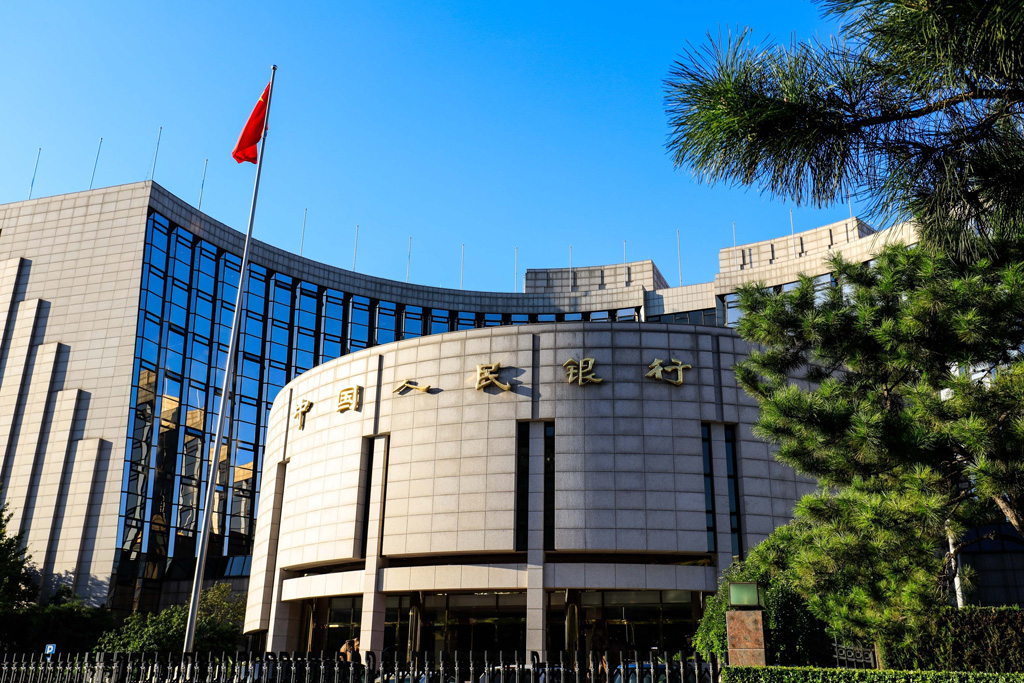
A devoted team of the PBOC’s Digital Currency Research Lab is currently setting up its digital currency system in a restricted environment aiming to launch it before Facebook’s Libra enters the market.

2019 has not been a bad year for crypto as some assets, including Bitcoin, have seen more than 100% in ROI. However, funding is significantly reduced and venture capitalists seem to be backing off. Why is this happening?

Binance has come up with a detailed research report about the new People’s Bank of China (PBoC) Central Bank Digital Currency (CBDC). The research reveals that the new currency will be a two-tiered system and is aimed at replacing cash.

China may be about to launch a fiat digital currency, but in all likelihood, PBoC’s currency will only resemble crypto on the surface. It probably won’t use blockchain technology.

The Senate Banking Committee will hear arguments from Circle CEO and Co-founder, Jeremy Allaire on the digital currencies and the blockchain industry. Allaire hopes that a new regulatory framework will be adopted for the sector.

Turkey has revealed its economic roadmap. It has become known that its Central Bank will be working on the development of the country’s national cryptocurrency.
A new report from the World Economic Forum indicates that over 40 banks are considering offering their own blockchain cryptocurrencies.
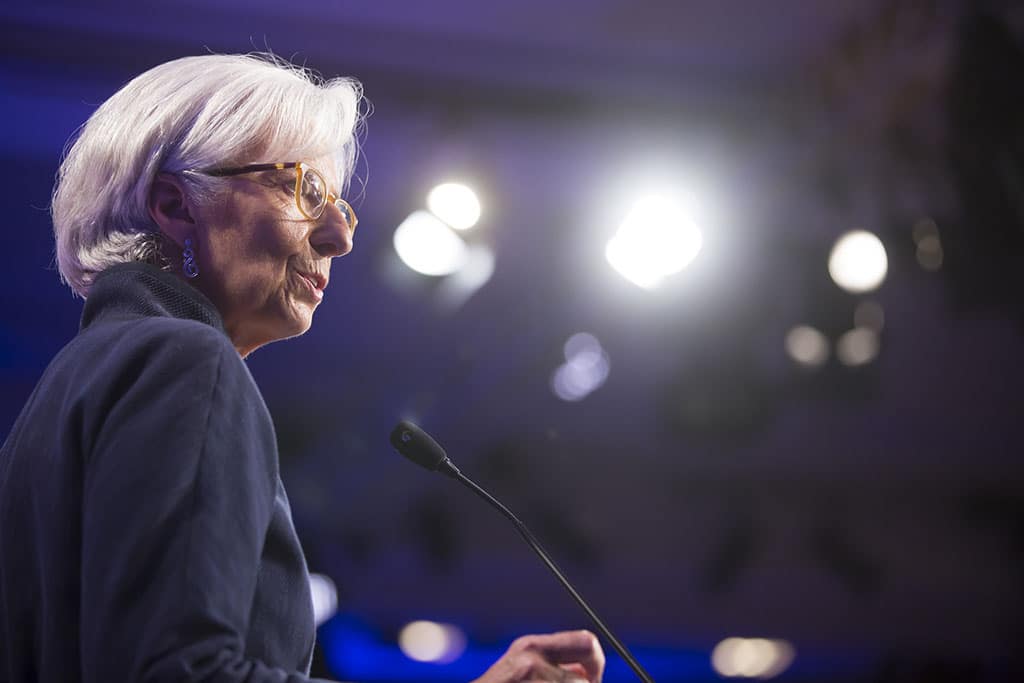
IMF’s Managing Director called for central banks digital currencies, stating that they could provide financial inclusion, security, and consumer protection, which can not be offered by the private sector.
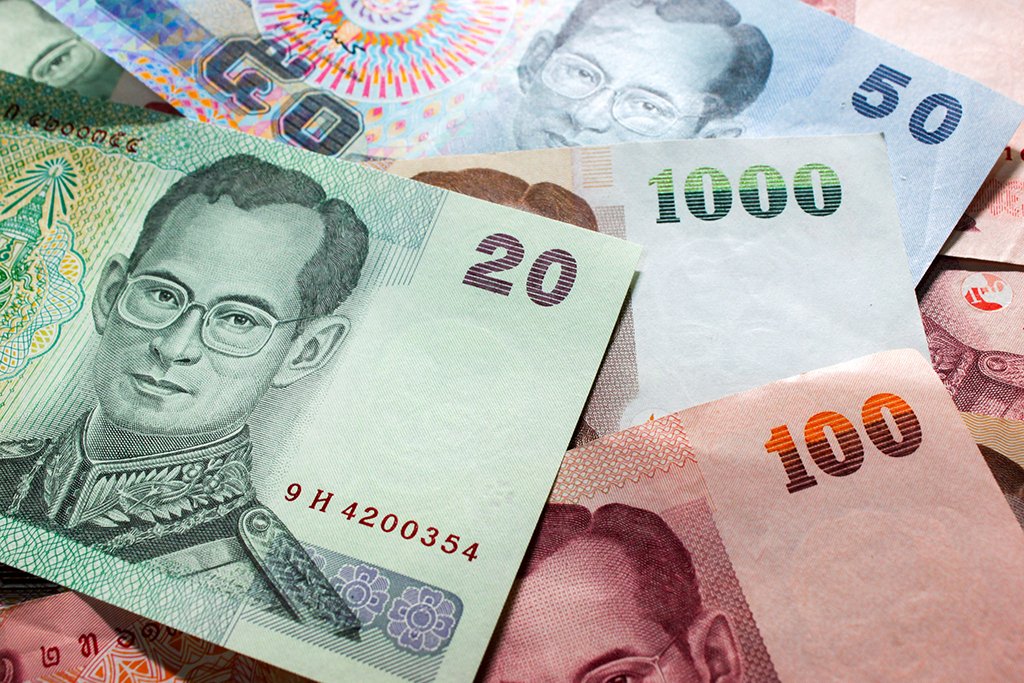
The Bank of Thailand’s is going to finish the first phase of its work on Central Bank Digital Currency (CBDC) early next year.