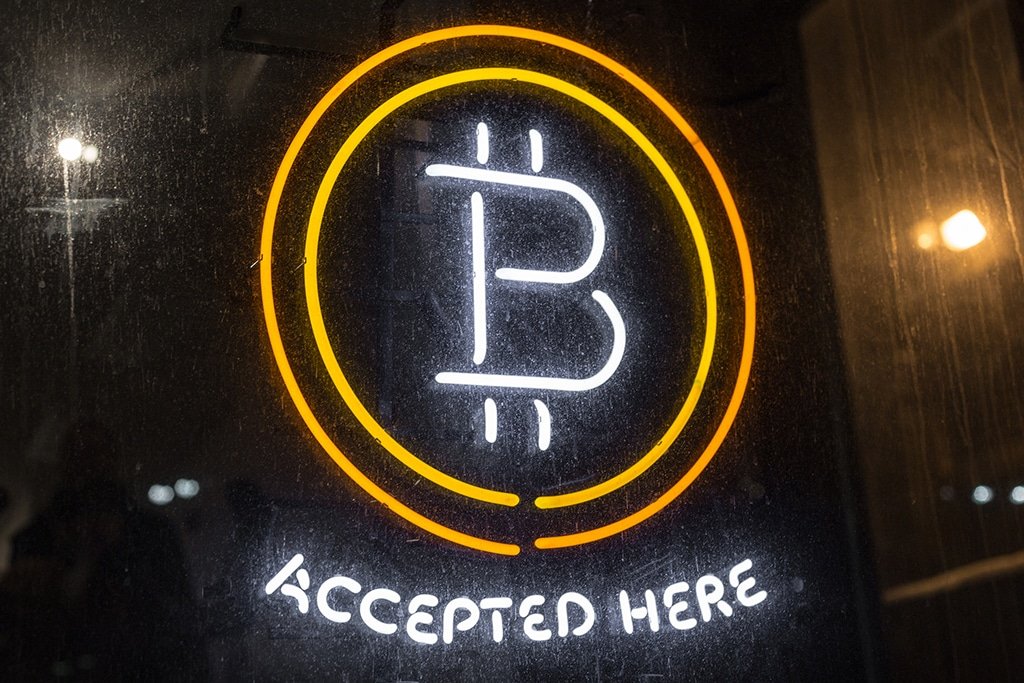
Bitcoin Becomes a Real Trend: US Museums Start Accepting Cryptos
The third U.S. museum, Great Lakes Science Center, has announced that it is going to accept Bitcoin as a payment method.
By Julia Sakovich
Updated
3 mins readPhoto: Duncan Rawlinson / Flickr
While skeptics continue to voice their concerns about not a very bright future for cryptos, Bitcoin continues to conquer the world. This time the news about Bitcoin adoption has come from the U.S.
As it has become known, Great Lakes Science Center, a large museum and educational facility in downtown Cleveland, Ohio, is going to accept payments in Bitcoin. Bitcoin transactions will be accepted starting from November 13. The transactions will be processed via BitPay.
The main idea that the institution was bearing in mind while taking a decision to start accepting crypto was to ensure better condition for the growth of the local blockchain ecosystem.
Kirsten Ellenbogen, the CEO of Great Lakes Science Center, commented their new initiative the following way:
“There is a lot of excitement around the conference. Accepting bitcoin is just a small part of the momentum to grow a blockchain ecosystem in Cleveland.”
Integration of Bitcoin
Great Lakes Science Center has become the third museum in the US to accept cryptocurrencies as a payment method. Earlier Museum of the Coastal Bend in Texas and St. Petersburg Museum of History in Florida have joined the crypto ecosystem.
Museum of the Coastal Bend was a pioneer in integrating Bitcoin. It happened in 2013. At that time a museum spokesperson expressed their concerns whether any visitors would use BTC for payments. Nevertheless, they decided to try.
The initiative has turned out to be a rather promising one and 5 years later Great Lakes Science Center has also decided to try. As it is reported, visitors will have an opportunity to buy admission tickets using cryptocurrencies and visit the National Aeronautics and Space Administration (NASA) Glenn Visitor Center.
Moreover, the institution offers its visitors to use new mobile apps that are built with the help of such technologies as augmented and virtual reality.
Following the launch of the above mentioned new mobile applications, the integration of Bitcoin is considered to be the second major step of the institution made with a view to enhance visitors experience and to help them better understand the work led by NASA.
Bitcoin Conquering the World
The integration of Bitcoin is gaining a momentum and the initiative of Great Lakes Science Center is just a new proof of this thesis. The number of cryptocurrency users all over the world is growing and the integration of Bitcoin at stores and other public places has become a rather demabded way to conduct payments.
Moreover, recently it has been revealed that even China, known for its negative stance towards cryptos, reversed its stance: Chinese crypto ban is already in the past. Now cryptocurrencies will be legally accepted as a payment method. The Shenzhen Court of International Arbitration has taken a decision to recognize Bitcoin as a property.
I’m a content writer and editor with extensive experience creating high-quality content across a range of industries. Currently, I serve as the Editor-in-Chief at Coinspeaker, where I lead content strategy, oversee editorial workflows, and ensure that every piece meets the highest standards. In this role, I collaborate closely with writers, researchers, and industry experts to deliver content that not only informs and educates but also sparks meaningful discussion around innovation.
Much of my work focuses on blockchain, cryptocurrencies, artificial intelligence, and software development, where I bring together editorial expertise, subject knowledge, and leadership experience to shape meaningful conversations about technology and its real-world impact. I’m particularly passionate about exploring how emerging technologies intersect with business, society, and everyday life. Whether I’m writing about decentralized finance, AI applications, or the latest in software development, my goal is always to make complex subjects accessible, relevant, and valuable to readers.
My academic background has played an important role in shaping my approach to content. I studied Intercultural Communications, PR, and Translation at Minsk State Linguistic University, and later pursued a Master’s degree in Economics and Management at the Belarusian State Economic University. The combination of linguistic, communication, and business training has given me the ability to translate complex technical and economic concepts into clear, engaging narratives for diverse audiences.
Over the years, my articles have been featured on a variety of platforms. In addition to contributing to company blogs—primarily for software development agencies—my work has appeared in well-regarded outlets such as SwissCognitive, HackerNoon, Tech Company News, and SmallBizClub, among others.