Investing App Robinhood Launches Zero-Fee Cryptoсurrency Trading in 5 US States
Cryptocurrency trading platforms now have a serious competitor: Robinhood Crypto offers services to its users absolutely free of charge.
By Julia SakovichUpdated
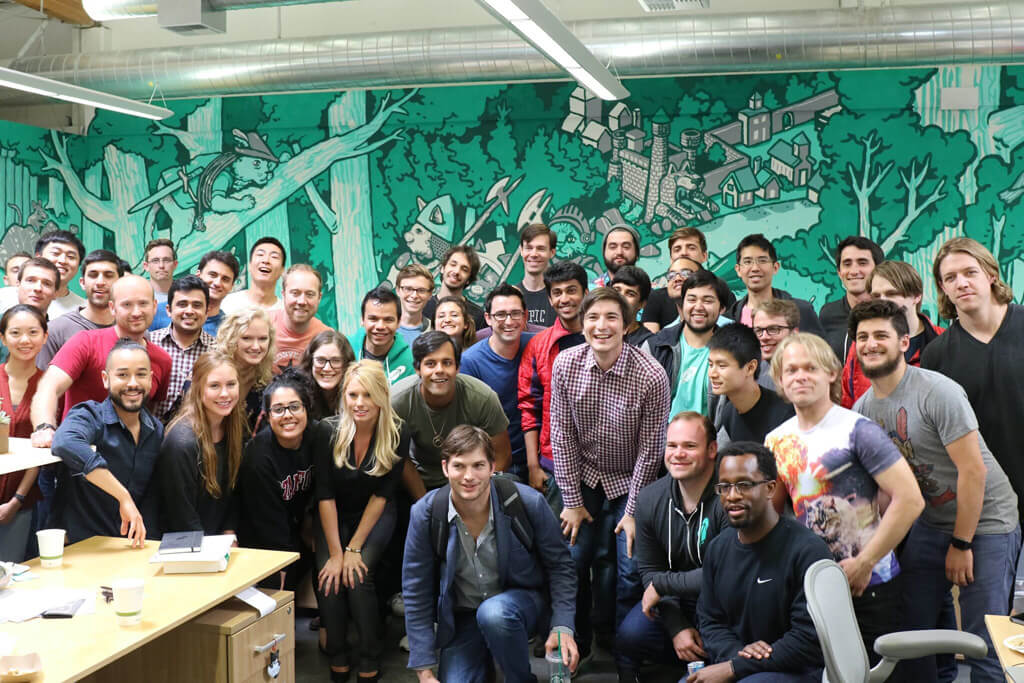
2 mins readPhoto: Robinhood / Twitter
The Robinhood mobile trading app has announced the launch of a commission-free cryptocurrency trading service. And it’s a serious matter of concern for Coinbase that takes 1.5–4% commissions in the U.S., as now their potential customers from California, Massachusetts, Missouri, Montana and New Hampshire can buy and sell Bitcoin and Ethereum without any extra fees on the Robinhood platform.
Robinhood team believes that their free service is a strong tool to attract people to their platform that enables users to trade stocks, ETFs and options without any additional charges. Moreover, its retro-future interface offers users an easily understandable way to stay tuned with pricing and news about 16 currencies: Bitcoin, Ethereum, Bitcoin Cash, Litecoin, Ripple, Ethereum Classic, Zcash, Monero, Dash, Stellar, Qtum, Bitcoin Gold, OmiseGo, NEO, Lisk and Dogecoin. Currently, everyone can already enjoy the benefits of tracking service but an opportunity to get the advantages of free trading will come soon to the waitlisted users and other states.
The main idea of this commission-free trading is to bring cryptocurrencies to a wider audience of investors providing them with a platform that “democratizes” trading through expanding the group of potential investors using mobile and web-based apps. The company strives to make traditional and cryptocurrency trading more accessible for its customers excluding their additional expenses for paying the commission.
The first announcement of the Robinhood’s plans to start zero-fee crypto trading attracted one million users in just the first four days. So, the current number of Robinhood users is nearly four million who have transacted more than $100 billion on its brokerage platform saving $1 billion in commission fees.
On the majority of stock trading services customers should pay around $7 per transaction to cover these companies’ operational expenses, including awards for marketing and sales teams. Established in 2013, Robinhood eliminates extra fees encharging these functions to its engineers. The company makes money on the interest of cash that its customers keep with it and by offering chargeable monthly Robinhood Gold subscriptions that allow users to borrow money to trade with.
In addition to the launch of cryptocurrency trading Robinhood Crypto, the company has also released the launch of a social media-type platform named Robinhood Feed which will give investors a possibility to discuss different cryptocurrencies, market trends and new online. Nevertheless, at the moment the Feed platform is available to a limited number of users only.
Disclaimer: Coinspeaker is committed to providing unbiased and transparent reporting. This article aims to deliver accurate and timely information but should not be taken as financial or investment advice. Since market conditions can change rapidly, we encourage you to verify information on your own and consult with a professional before making any decisions based on this content.
I’m a content writer and editor with extensive experience creating high-quality content across a range of industries. Currently, I serve as the Editor-in-Chief at Coinspeaker, where I lead content strategy, oversee editorial workflows, and ensure that every piece meets the highest standards. In this role, I collaborate closely with writers, researchers, and industry experts to deliver content that not only informs and educates but also sparks meaningful discussion around innovation.
Much of my work focuses on blockchain, cryptocurrencies, artificial intelligence, and software development, where I bring together editorial expertise, subject knowledge, and leadership experience to shape meaningful conversations about technology and its real-world impact. I’m particularly passionate about exploring how emerging technologies intersect with business, society, and everyday life. Whether I’m writing about decentralized finance, AI applications, or the latest in software development, my goal is always to make complex subjects accessible, relevant, and valuable to readers.
My academic background has played an important role in shaping my approach to content. I studied Intercultural Communications, PR, and Translation at Minsk State Linguistic University, and later pursued a Master’s degree in Economics and Management at the Belarusian State Economic University. The combination of linguistic, communication, and business training has given me the ability to translate complex technical and economic concepts into clear, engaging narratives for diverse audiences.
Over the years, my articles have been featured on a variety of platforms. In addition to contributing to company blogs—primarily for software development agencies—my work has appeared in well-regarded outlets such as SwissCognitive, HackerNoon, Tech Company News, and SmallBizClub, among others.