About
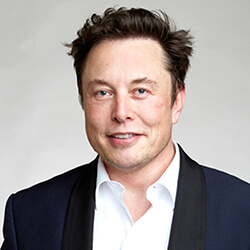
Elon Reeve Musk is a billionaire entrepreneur, CEO of Tesla and SpaceX, owner of X (formerly Twitter), and one of the world’s most polarizing public figures. He has become one of the most consequential personalities in the cryptocurrency era. His influence spans markets, culture, technology, and policy. Yet, unlike traditional regulators or investors, Musk’s engagement with crypto is rooted in a blend of market psychology, social media magnetism, product experimentation, and personal belief in decentralization as a transformative force.
Over nearly a decade, Musk’s actions and statements have been credited with driving dramatic volatility in cryptocurrency prices, especially for [NC]. His companies’ strategic holdings in [NC] and institutional behavior towards crypto have shifted investor expectations.
Meanwhile, after acquiring Twitter and evolving it into X, Musk has experimented with payments, financial services, and crypto-related features, helping normalize digital assets in everyday tech products.
Musk’s Early Crypto Engagement
Long before crypto became a household phrase, Musk’s entrepreneurial journey began in internet payments. He was a co-founder of PayPal, arguably one of the earliest systems to bring digital payments into mainstream consciousness. Though PayPal long predated Bitcoin and its derivatives, Musk’s early connection to digital value transfer provided conceptual soil for his future crypto interactions.
Musk’s public engagement with crypto began in earnest around 2019–2020, as Bitcoin, Ethereum, and particularly Dogecoin began capturing mainstream attention. His enormous social media following, tens of millions on platforms like X, meant that even offhand comments could translate into real trading activity and price movement.
By 2021, Musk had personally held three major cryptocurrencies: Bitcoin, Ethereum, and Dogecoin. While he has never provided precise holdings, his companies (Tesla and SpaceX) have held substantial Bitcoin reserves. This underscores a quasi-institutional connection to digital assets beyond mere personal interest.
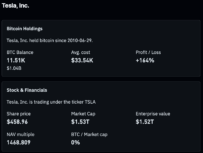
Tesla’s Bitcoin reserves by the end of 2025 | Source: Coinglass
The “Dogefather”: Influence on Dogecoin and Crypto Prices
Dogecoin’s Rise
Musk’s narrative as a crypto influencer is inseparable from Dogecoin. Initially launched in 2013 as a joke, Dogecoin is a meme-inspired token featuring the Shiba Inu dog. It quickly became the defining example of Elon Musk’s market sway.
Analysts and industry observers credit his repeated public statements and social media posts with significant price moves in DOGE:
- Dogecoin has responded sharply to Musk’s tweets and references, with surges following even lighthearted or playful comments.
- Changing Twitter’s logo to the Doge meme in 2023 led to notable short-term price movements in DOGE markets.
- Studies show that crypto markets, especially meme coins like DOGE, react strongly in the short term to Musk’s comments, illustrating the so-called “Musk effect.”
Dogecoin’s story shows how a recognizable personality, especially one as globally visible as Musk, can shape investor sentiment. Markets inherently react to narrative as much as fundamentals, and Musk has become one of the most powerful narrative drivers in crypto.
Beyond Dogecoin
While Dogecoin arguably benefits most from Musk’s social media presence, Bitcoin and Ethereum have also seen ripple effects from his commentary and strategic moves.
Tesla purchased $1.5 billion in Bitcoin early on and began accepting DOGE for merchandise. This move expanded the perception that high-profile corporations could integrate crypto assets into real business operations, even as Tesla later reversed some of these policies.
Crypto Assets and Institutional Activities
Personal and Corporate Holdings
Musk’s own portfolio reportedly includes BTC, ETH, and a substantial position in DOGE. He has publicly spoken about each of these assets while generally avoiding endorsing most meme tokens that use his name without his blessing.
As mentioned above, Tesla continues to hold Bitcoin acquired in prior years, and SpaceX holds Bitcoin as well. In 2025, SpaceX moved $133 million in BTC to consolidate wallets after years of dormancy.
Musk and Meme Tokens
Musk has not launched his own official crypto token and has publicly distanced himself from most “Elon-named” projects, such as Floki, named after his dog. Any mention of Floki on Musk’s social media boosts the crypto asset.
Musk’s indirect influence has inspired a universe of meme coins tied to SpaceX, Tesla products, and Mars exploration. Some of those have generated significant speculative trading, even without direct endorsement. Here’s a short list of Musk-themed cryptocurrencies, all of them unofficial:
- Dogelon Mars
- X Token
- Twitter Inu
- Tesla Inu
- TSLA Token
- Marscoin
- SpaceX Inu
X (Formerly Twitter): Crypto Policy and Product Integration
Acquisition and Crypto Orientation
Musk’s acquisition of Twitter in 2022, later rebranded as X Corp., opened a new front in crypto adoption. X has been positioned as a broader “everything app” akin to WeChat, with ambitions in financial services, messaging, content, and payments.
Historically, Twitter had experimented with blockchain-verified NFT profile pictures before Musk’s takeover. After the acquisition, that support waned, indicating a shift in crypto integration philosophy. However, Musk has continued to flirt with broader payment and money transfer systems that could integrate digital currencies in user-facing features.
Crypto Advertising and Regulation
X’s handling of cryptocurrency content has not been without friction. In late 2025, Spanish regulators fined X for 5.8m euros for failing to prevent unauthorized crypto ads on its platform. This highlights the tension between open communication and regulatory compliance.
This example underscores a broader truth in crypto policy: even tech platforms led by pro-crypto founders must navigate evolving legal frameworks intended to protect investors and enforce market laws.
Intersection of Policy and Politics: “Department of Government Efficiency”
During the second Trump administration in 2025, Elon Musk was appointed to head an initiative called the Department of Government Efficiency, playfully referred to as DOGE. This is a nod to both the meme coin and his well-known advocacy for efficiency and decentralization.
The name alone reflects how crypto culture, even tongue-in-cheek, has managed to bleed into government branding. However, Musk’s tenure in this role was mixed and concluded with him acknowledging it was “only somewhat successful.” The episode exemplifies how intertwined crypto narratives, political appointments, and social influence have become.
Legacy, Influence, and Market Psychology
Elon Musk’s relationship with cryptocurrency is not defined solely by technical innovation but primarily by market psychology. His commentary has been correlated with rapid price movements, especially in Dogecoin. Yet, his influence highlights both opportunities and risks inherent in a market led by sentiment and narrative as much as fundamentals.
From Tesla’s Bitcoin holdings to his social media references boosting DOGE’s visibility, Musk has helped move crypto from fringe obsession to mainstream financial narrative. At the same time, his approach has invited regulatory attention, legal challenges, and ethical debates over market influence, trading integrity, and how public figures should engage with unregulated markets.
Click to see more